SALKANTAY AND INCA TRAIL 6 DAYS | The Full Trek to Machu Picchu

Cross the Salkantay range, join the Classic Inca Trail, and walk the original road all the way to the Sun Gate.

5.0 Based on 342 Reviews
6 DAYS - 5 NIGHTS

Tour Overview

The Salkantay And Inca Trail 6 Days is the most complete way to walk to Machu Picchu. It joins the two most important trekking routes in Cusco — the high, glaciated country of the Salkantay range and the original stone road of the Classic Inca Trail — into one continuous journey, and it ends where every route to the citadel wants to end: walking in through the Sun Gate.

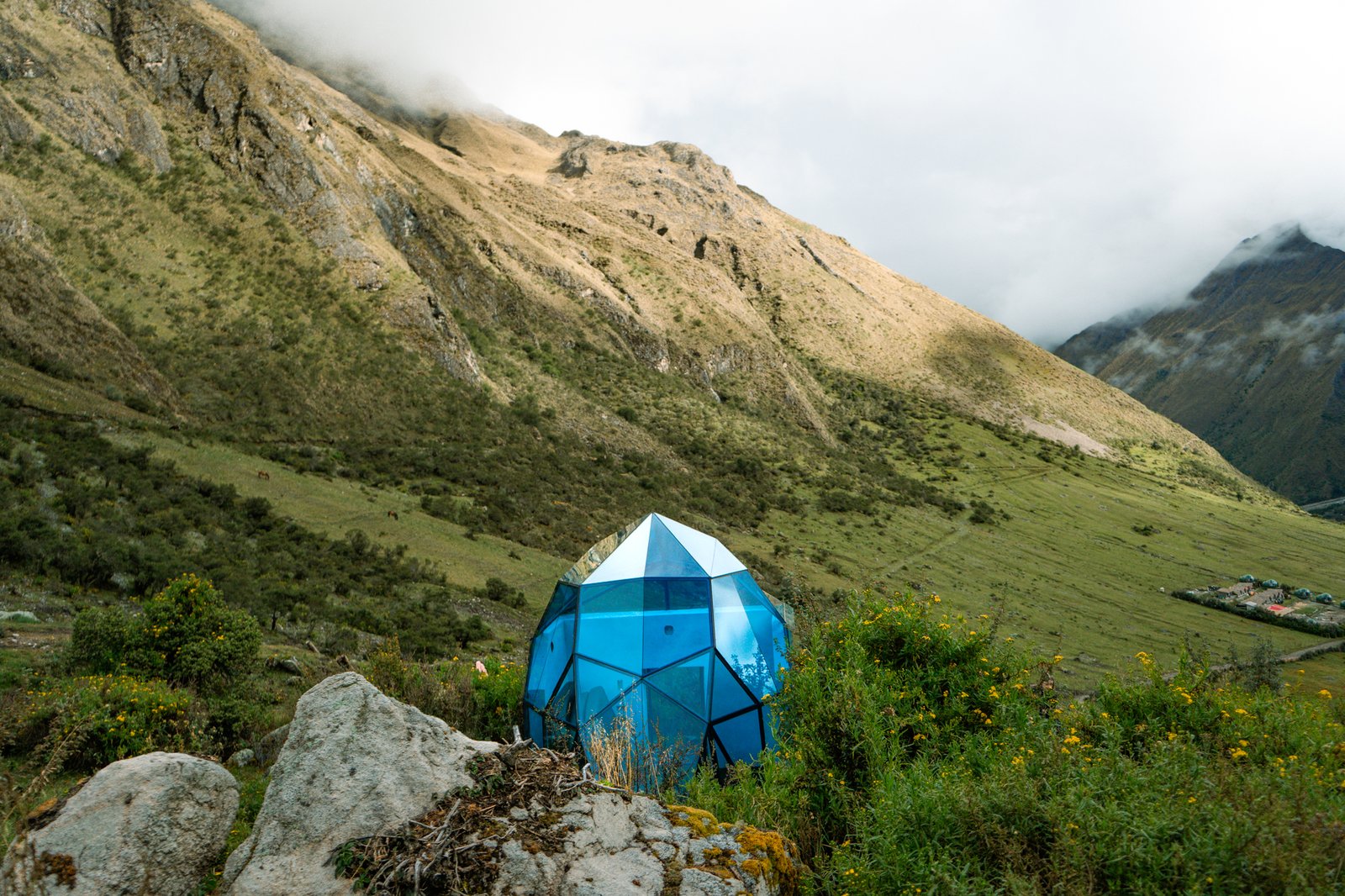
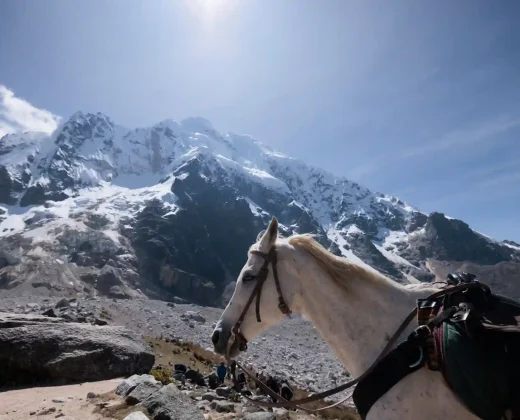
The first days belong to the mountains. You pass Humantay Lake and Salkantay Lake, climb into the Incachiriasca area beneath the glaciers, and spend a night in our Sky Star Domes at Quiswarniyoc, a private campsite close to the base of Salkantay itself — a considerable step up from a tent at that altitude. Two high passes give the trek its shape and its difficulty: Incachiriasca, the higher of the two, crossed while you are still on the Salkantay side, and Warmiwañusca — Dead Woman’s Pass — at roughly 4,200 m, the famous high point of the Inca Trail. Neither is technical. Both are long, steady climbs at altitude, and both pay you back with glaciers, valleys and lakes in every direction.

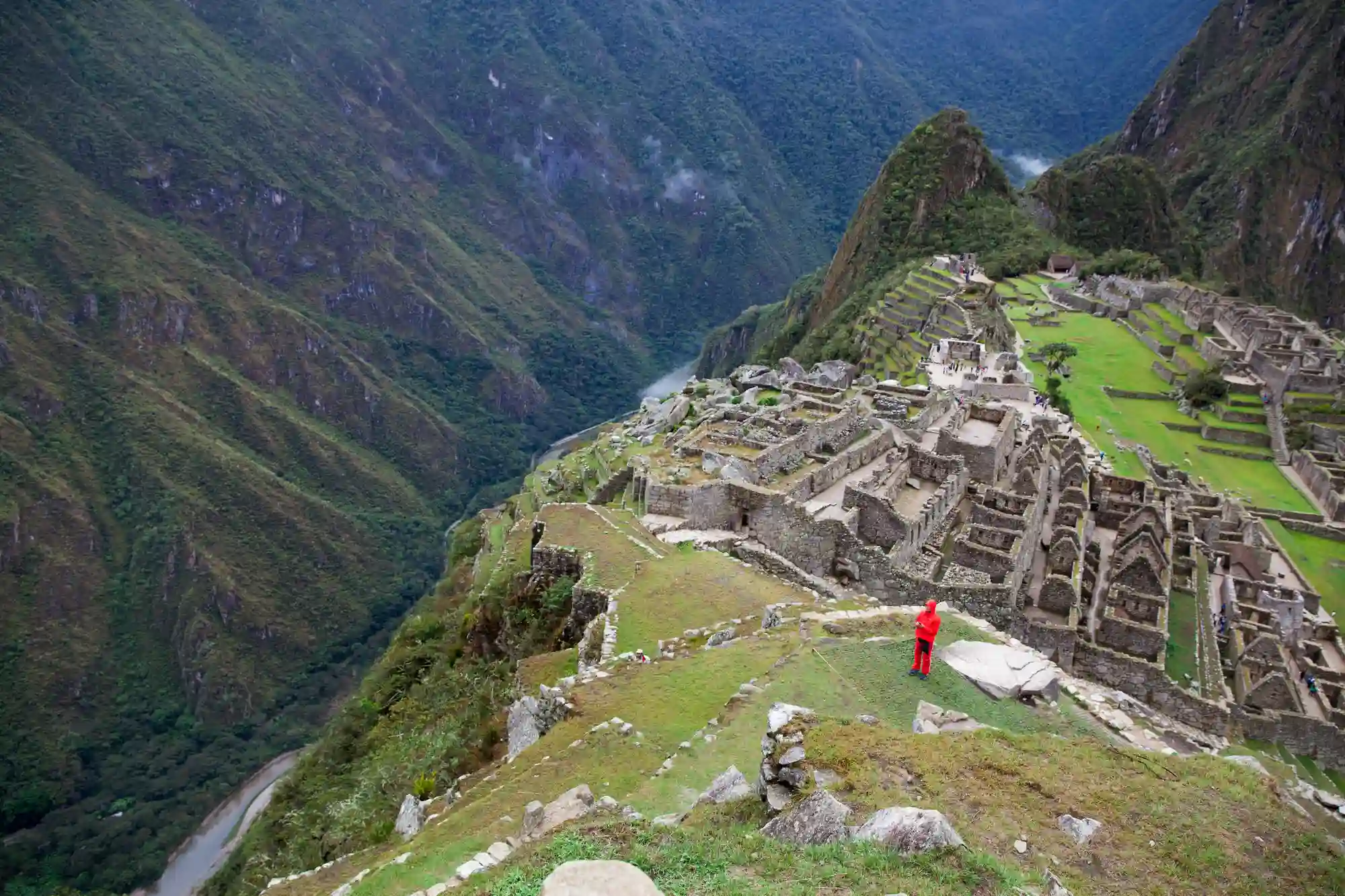
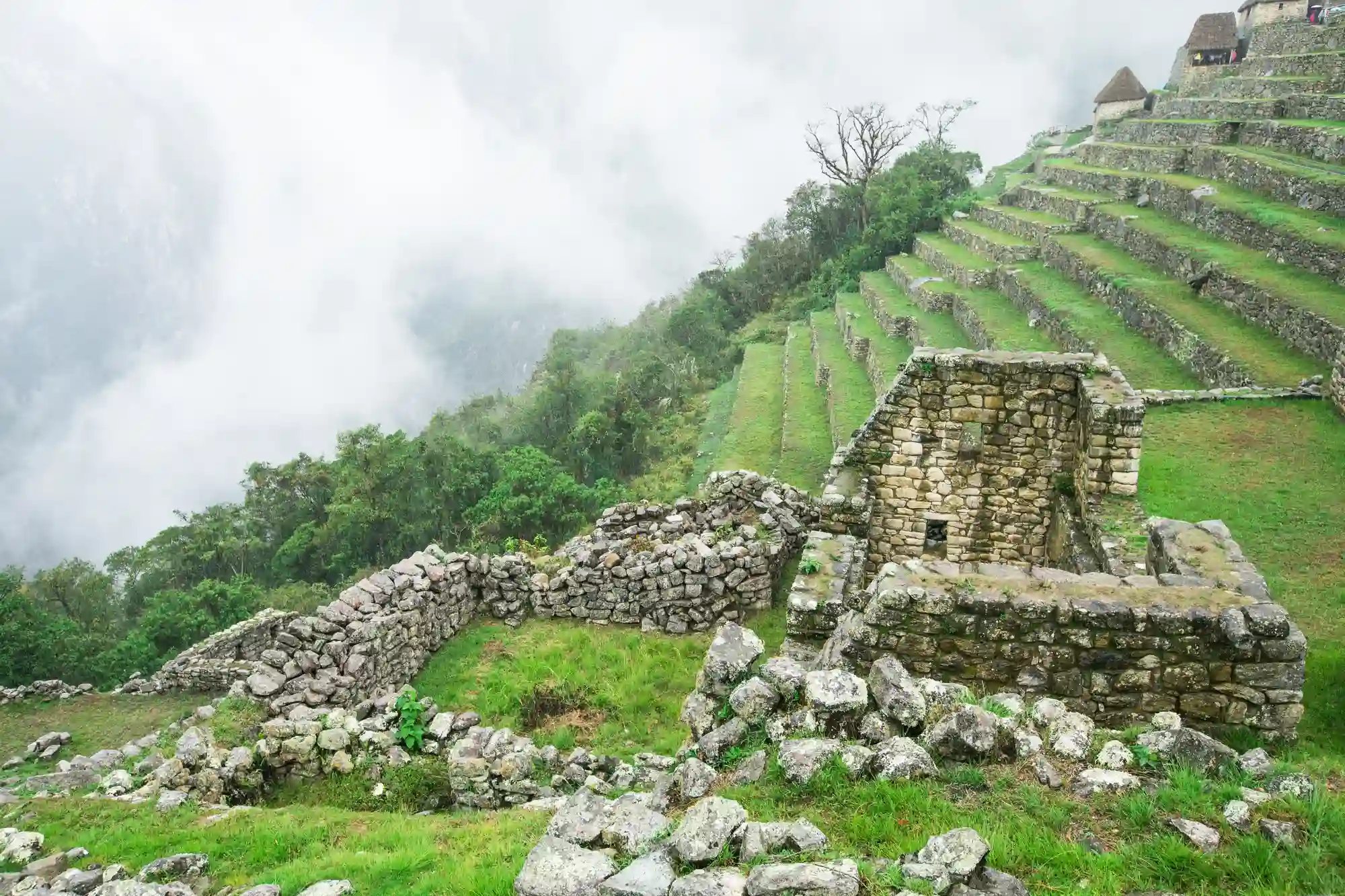
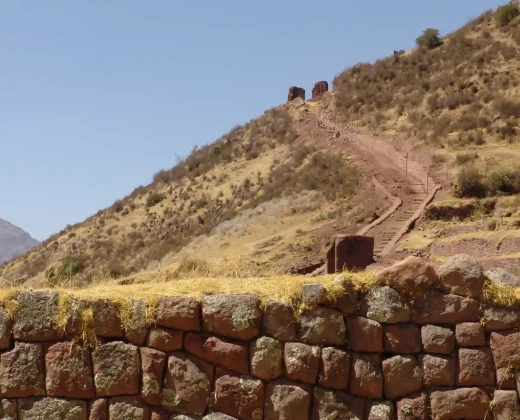
Once you join the original Inca road, the character of the walk changes. Ancient canals and stonework begin appearing along the path, and the route takes in Paucarcancha, Runkurakay, Sayacmarca, Phuyupatamarca and Wiñay Wayna in succession, with your guide explaining what each site did, how it was built and why it sits where it sits. This is the stretch where the trek stops being only a mountain walk.

The final morning is what people remember. Rather than arriving by road or by train, you follow the Inca path to Inti Punku and watch Machu Picchu open up below you, all at once, from above. After six days of mountains, cloud forest and Inca stonework, it is a considerably better way to meet the citadel than stepping off a bus. And the point of this itinerary is that you do both legendary routes without stretching your trip to do it — supported throughout by the Machu Picchu Team crew of guides, cooks, muleteers, porters and operations staff.


Permits and booking

The Peruvian government issues only 500 permits per day for the Inca Trail in order to protect this UNESCO World Heritage Site. Around 200 of those go to travelers; the rest cover the porters, guides and cooks who make the trek possible. That is why availability disappears months ahead. Our booking calendar is connected directly to the official system, so what you see is live: press BOOK NOW to check your dates and reserve. If a date shows as unavailable, it is sold out across every operator in Peru, not only with us.

Every traveler must hold an official government permit, and these can only be issued through an authorized operator such as Machu Picchu Team. We secure yours as soon as we have your personal details and your deposit. A permit is issued in one specific name for one specific trekking date, and once confirmed it cannot be changed, transferred or resold. The single exception is your passport number, which can be updated if you renew your passport before the trek — tell us as soon as that happens.


Permits & Machu Picchu Entry

Every traveler on the Salkantay And Inca Trail 6 Days must hold an official government permit, and these can only be issued through an authorized operator such as Machu Picchu Team. We secure yours as soon as we have your personal details and your deposit. Permits are issued in one specific name for one specific trekking date. Once confirmed they cannot be changed, transferred or resold — the single exception is your passport number, which can be updated if you renew your passport before the trek. Tell us as soon as that happens.


Your Package Includes Two Entries To Machu Picchu

  • Entry 1 — The arrival visit (Circuit 1B)
    You enter through the upper section of the citadel, where the classic panoramic view opens up and the postcard photograph is taken. You spend around 30 minutes here while your guide introduces the site as a whole.
  • Entry 2 — The main guided tour (Circuit 3B)
    After stepping out briefly, you re-enter for the full guided visit through the lower archaeological sectors. This runs approximately 1 to 1.5 hours. The exact circuit is assigned according to official government availability.

Why this matters
Most visitors see one half of Machu Picchu. This itinerary takes you through both the upper terraces and the lower sectors, which is a genuinely more complete visit than a single-entry ticket allows. Check Machu Picchu entrance ticket availability

BEST SELLER TOUR
FROM
USD 1,120 per person

Book online

Travel date
Travelers
Adults USD $1,150.00/person
Students USD $1,120.00/person
Children USD $1,120.00/person
Total for 1 travelers USD $1150.00 1120.00
Duration 6 DAYS - 5 NIGHTS
Group size 10
Physical level Challenging
Trip style Hiking
Distance 75 KM
Meals 6 B, 5 L, 5 D
Tripadvisor Logo
5.0 Excellent · 342 reviews

"Absolutely breathtaking! Our guide was incredibly knowledgeable and the views exceeded every expectation."

Sarah M.Mar 2025

"Everything was perfectly organized. The team made us feel safe and cared for throughout the entire trek."

James T.Feb 2025

"One of the best travel experiences of my life. Truly passionate team, deeply in love with Peru's culture."

Claudia R.Jan 2025

"We were a group of 6 and every detail was handled flawlessly. The Inca Trail was unforgettable. Will come back!"

Marco F.Dec 2024

"Professional, warm and attentive from day one. Machu Picchu was magical and the logistics were flawless."

Lena K.Nov 2024
Read all reviews →

Cross the Salkantay range, join the Classic Inca Trail, and walk the original road all the way to the Sun Gate.

The Salkantay And Inca Trail 6 Days is the most complete way to walk to Machu Picchu. It joins the two most important trekking routes in Cusco — the high, glaciated country of the Salkantay range and the original stone road of the Classic Inca Trail — into one continuous journey, and it ends where every route to the citadel wants to end: walking in through the Sun Gate.

The first days belong to the mountains. You pass Humantay Lake and Salkantay Lake, climb into the Incachiriasca area beneath the glaciers, and spend a night in our Sky Star Domes at Quiswarniyoc, a private campsite close to the base of Salkantay itself — a considerable step up from a tent at that altitude. Two high passes give the trek its shape and its difficulty: Incachiriasca, the higher of the two, crossed while you are still on the Salkantay side, and Warmiwañusca — Dead Woman’s Pass — at roughly 4,200 m, the famous high point of the Inca Trail. Neither is technical. Both are long, steady climbs at altitude, and both pay you back with glaciers, valleys and lakes in every direction.

Once you join the original Inca road, the character of the walk changes. Ancient canals and stonework begin appearing along the path, and the route takes in Paucarcancha, Runkurakay, Sayacmarca, Phuyupatamarca and Wiñay Wayna in succession, with your guide explaining what each site did, how it was built and why it sits where it sits. This is the stretch where the trek stops being only a mountain walk.

The final morning is what people remember. Rather than arriving by road or by train, you follow the Inca path to Inti Punku and watch Machu Picchu open up below you, all at once, from above. After six days of mountains, cloud forest and Inca stonework, it is a considerably better way to meet the citadel than stepping off a bus. And the point of this itinerary is that you do both legendary routes without stretching your trip to do it — supported throughout by the Machu Picchu Team crew of guides, cooks, muleteers, porters and operations staff.


Permits and booking

The Peruvian government issues only 500 permits per day for the Inca Trail in order to protect this UNESCO World Heritage Site. Around 200 of those go to travelers; the rest cover the porters, guides and cooks who make the trek possible. That is why availability disappears months ahead. Our booking calendar is connected directly to the official system, so what you see is live: press BOOK NOW to check your dates and reserve. If a date shows as unavailable, it is sold out across every operator in Peru, not only with us.

Every traveler must hold an official government permit, and these can only be issued through an authorized operator such as Machu Picchu Team. We secure yours as soon as we have your personal details and your deposit. A permit is issued in one specific name for one specific trekking date, and once confirmed it cannot be changed, transferred or resold. The single exception is your passport number, which can be updated if you renew your passport before the trek — tell us as soon as that happens.


Permits & Machu Picchu Entry

Every traveler on the Salkantay And Inca Trail 6 Days must hold an official government permit, and these can only be issued through an authorized operator such as Machu Picchu Team. We secure yours as soon as we have your personal details and your deposit. Permits are issued in one specific name for one specific trekking date. Once confirmed they cannot be changed, transferred or resold — the single exception is your passport number, which can be updated if you renew your passport before the trek. Tell us as soon as that happens.


Your Package Includes Two Entries To Machu Picchu

  • Entry 1 — The arrival visit (Circuit 1B)
    You enter through the upper section of the citadel, where the classic panoramic view opens up and the postcard photograph is taken. You spend around 30 minutes here while your guide introduces the site as a whole.
  • Entry 2 — The main guided tour (Circuit 3B)
    After stepping out briefly, you re-enter for the full guided visit through the lower archaeological sectors. This runs approximately 1 to 1.5 hours. The exact circuit is assigned according to official government availability.

Why this matters
Most visitors see one half of Machu Picchu. This itinerary takes you through both the upper terraces and the lower sectors, which is a genuinely more complete visit than a single-entry ticket allows. Check Machu Picchu entrance ticket availability

Trip itinerary

The Salkantay And Inca Trail 6 Days starts before dawn, with collection from your Cusco hotel between roughly 4:30 and 5:00 a.m. A private tourist vehicle carries the group for about two and a half hours to Mollepata, where a full breakfast is waiting — the last proper meal before the walking begins.

Another hour on the road brings you to Soraypampa at around 3,900 m (12,795 ft). This is where the vehicles stop and the high-Andean part of the trip starts.

From Soraypampa the trail climbs for roughly two hours to Humantay Lake. The altitude does most of the work against you here; the terrain itself is manageable. What waits at the top is a turquoise glacial lake under a wall of mountains, and you get about an hour and a half to sit with it, photograph it, catch your breath and hear from your guide why this lake and the peaks around it matter in Andean tradition.

The descent to Quiswarniyoc takes another two hours through open Andean country. Expect to reach camp around 2:00 p.m., where the crew welcomes you with a freshly cooked lunch.

After eating, your guide shows you to the Sky Star Domes, your bed for the first night. The panoramic domes look out 360° across the range, and their position near the Salkantay massif is the reason this campsite exists where it does. The rest of the afternoon is yours — rest and let your body keep adjusting to the altitude. Tea is served around 5:30 p.m. and dinner at about 7:00 p.m., followed by a detailed briefing on Day 2: route, walking times, altitude, weather and what the high crossings ahead will ask of you.


Day 1 at a glance

  • Hotel pick-up: 4:30–5:00 a.m.
  • Route: Cusco → Mollepata → Soraypampa → Humantay Lake → Quiswarniyoc
  • Soraypampa altitude: 3,900 m / 12,795 ft
  • Climb to Humantay Lake: about 2 hours uphill
  • Time at the lake: about 1 hour 30 minutes
  • Descent to Quiswarniyoc: about 2 hours
  • Camp arrival: around 2:00 p.m.
  • Meals: breakfast, lunch, tea time, dinner
  • Accommodation: Quiswarniyoc Sky Star Domes
  • Difficulty: Moderate to challenging

The hardest and finest day of the trek begins at about 5:30 a.m., when the cooks arrive at your dome with hot coca tea. Breakfast follows at 6:00 a.m., you get a short window to pack, and by roughly 6:30 a.m. the group is walking toward Incachiriaska Pass — the highest ground of the entire six days.

The first stretch is a steady climb through high-Andean terrain. Two hours in you reach Salkantay Lake, sitting directly beneath the mountain itself. It is the finest viewpoint of the morning: turquoise water, glaciers above it and the snow-covered flank of Salkantay filling the sky. There is time here to rest and photograph before continuing.

Another hour and a half of climbing takes you to the pass. From the top the view runs across Salkantay, its glaciers and the valleys below in every direction. Your guide explains what the mountains mean in Andean belief and leads the traditional symbolic offering to the Apus, the mountain spirits that the communities here have honoured for generations.

The descent begins after that: an hour and a half down to Sisaypampa, where the cooks and muleteers have lunch ready. It is the right place to recover, with the highest and most demanding section now behind you.

The afternoon is a long, remote descent — around three hours through an empty Andean valley — until you reach an original Inca canal. Your guide explains how the Incas engineered this channel to capture and redirect water coming off the Salkantay massif, which tells you a good deal about how sophisticated their hydraulic engineering was.

Thirty more minutes of walking brings you to Pampacahuana at about 3,900 m (12,795 ft), where you spend the night. Tonight is a tent rather than a dome, with an inflatable air mattress inside. Tea time and dinner follow, and the briefing covers Day 3 — a gentler stage, and the one where the route finally links up with the historic Inca Trail network.


Day 2 at a glance

  • Wake-up: about 5:30 a.m. · Breakfast: 6:00 a.m. · Walking: from 6:30 a.m.
  • Route: Quiswarniyoc → Salkantay Lake → Incachiriaska Pass → Sisaypampa → Inca Canal → Pampacahuana
  • Highest point: Incachiriaska Pass — the high point of the whole trek
  • Climb to Salkantay Lake: about 2 hours
  • Lake to the pass: about 1.5 hours
  • Descent to Sisaypampa: about 1.5 hours
  • Sisaypampa to the Inca canal: about 3 hours downhill
  • Canal to Pampacahuana: about 30 minutes
  • Camp altitude: about 3,900 m / 12,795 ft
  • Meals: breakfast, lunch, tea time, dinner
  • Accommodation: trekking tent with inflatable air mattress
  • Difficulty: Challenging

A gentler day, and a welcome one. Wake-up tea arrives around 6:00 a.m., breakfast at 7:00 a.m., and the group sets off at about 7:30 a.m. — an unhurried start after yesterday.

From Pampacahuana the trail descends gradually for roughly three hours toward Paucarcancha, through high valleys and rural country where people still live and work the land. Depending on the season and what the communities are doing that week, you may pass llamas and alpacas grazing on the slopes.

Paucarcancha itself is a significant archaeological site, and your guide takes time here to explain its history and how it connected to the wider Inca road network and the valleys around it. Lunch is served nearby, freshly prepared by the crew.

Another hour and a half of walking after lunch brings you to Wayllabamba — and this is the moment the two routes join. Wayllabamba is the traditional first campsite of the 4-day Classic Inca Trail, so from here your feet are on the original road.

Camp is set up on arrival, with time to settle in before tea and dinner. You sleep in trekking tents with inflatable mattresses. The evening briefing covers Day 4 in detail, because tomorrow brings Warmiwañusca — the crossing everyone on the Inca Trail talks about.


Day 3 at a glance

  • Wake-up: about 6:00 a.m. · Breakfast: 7:00 a.m. · Walking: from 7:30 a.m.
  • Route: Pampacahuana → Paucarcancha → Wayllabamba
  • Descent to Paucarcancha: about 3 hours
  • Paucarcancha to Wayllabamba: about 1.5 hours
  • Highlights: high-Andean landscapes, rural communities, llamas and alpacas, the Paucarcancha site, and the junction with the Classic Inca Trail
  • Meals: breakfast, lunch, tea time, dinner
  • Accommodation: trekking tent with inflatable air mattress
  • Difficulty: Moderate

The most demanding stage of the Inca Trail section, and the one hikers remember. Today you cross Warmiwañusca — Dead Woman’s Pass — at approximately 4,215 m (13,829 ft), the highest point of the Classic Inca Trail.

It starts early. At around 5:00 a.m. the crew brings hot tea to your tent, you get half an hour to pack, and breakfast is served at about 5:30 a.m. Between 6:00 and 6:15 a.m. the group leaves Wayllabamba, at roughly 3,000 m (9,843 ft), and the trail begins climbing straight away.

The ascent to the pass covers around 9 km and takes four to five hours depending on how the group is moving and how well everyone has adapted to the altitude. Most of it is uphill, so your guide sets a deliberate rhythm and stops regularly for water, rest and breath. The landscape opens out as you climb — broad valleys below, high slopes above, and vegetation that thins with every hundred metres.

Reaching the top is the achievement of the trek. There is time to rest, photograph and take in the panorama while your guide explains why this pass matters and what it has meant along the historic route.

The descent to Pacaymayo, at about 3,700 m (12,139 ft), takes roughly two hours down original Inca stonework — ancient steps dropping through serious mountain scenery. Camp is usually reached between 2:00 and 3:00 p.m., with lunch waiting.

There is no more walking today. The afternoon belongs to you and to the quiet of the mountains. Dinner is at about 6:30 p.m., followed by a short briefing on tomorrow, and then a well-earned night in your tent at Pacaymayo.


Day 4 at a glance

  • Wake-up: about 5:00 a.m. · Breakfast: 5:30 a.m. · Walking: from 6:00–6:15 a.m.
  • Route: Wayllabamba → Warmiwañusca Pass → Pacaymayo
  • Starting altitude: Wayllabamba, about 3,000 m / 9,843 ft
  • Highest point: Warmiwañusca Pass, 4,215 m / 13,829 ft
  • Ascent: about 9 km, 4–5 hours
  • Descent to Pacaymayo: about 2 hours
  • Camp altitude: about 3,700 m / 12,139 ft · Arrival: 2:00–3:00 p.m.
  • Meals: breakfast, lunch, dinner
  • Accommodation: trekking tent with inflatable air mattress
  • Difficulty: Challenging

The most scenic day archaeologically, and the longest on foot: roughly 16 km from Pacaymayo to Wiñay Wayna, taking in several of the finest sites on the Classic Inca Trail. It is easier than yesterday in effort, but you are walking for most of it.

Tea comes to the tent at around 5:00 a.m., breakfast at 5:30 a.m., and the group leaves Pacaymayo (about 3,700 m / 12,139 ft) between 6:00 and 6:15 a.m.

The morning opens with a steady climb of an hour and a half to two hours toward Runkurakay Pass. On the way you stop at the Runkurakay site itself, a distinctive circular Inca structure placed strategically along the road, where your guide explains what it was likely used for.

From the pass, an hour of descent brings you to Sayacmarca, one of the most striking complexes on the whole route. Built onto a steep mountainside above the valleys, it shows exactly how far the Incas would go to fit architecture to impossible ground.

Another 45 minutes of walking reaches Chaquicocha, where the crew has lunch ready and you have about an hour to eat and rest. The trail then eases: an hour and a half of gentler ground toward Phuyupatamarca, through changing vegetation and long sections of original Inca stonework.

Phuyupatamarca is, for many hikers, the most spectacular site on the trail, looking out over mountains and cloud forest. From there begins the last major descent of the day — two to two and a half hours down a remarkable sequence of Inca stone stairways, dropping into greener and more humid country until you reach Wiñay Wayna at about 2,700 m (8,858 ft).

Wiñay Wayna is both a major archaeological site and your final campsite before the citadel. Your tent is already up and equipped when you arrive. Dinner is at around 7:00 p.m., after which the group holds the farewell ceremony with the cooks, porters and guides — it happens tonight because tomorrow starts at 3:00 a.m. The final briefing covers the walk to the Sun Gate; from that point the guide continues with the hikers while the cooks and porters take a separate route to Aguas Calientes.


Day 5 at a glance

  • Wake-up: about 5:00 a.m. · Breakfast: 5:30 a.m. · Walking: from 6:00–6:15 a.m.
  • Route: Pacaymayo → Runkurakay → Sayacmarca → Chaquicocha → Phuyupatamarca → Wiñay Wayna
  • Distance: about 16 km — the longest day of the trek
  • Climb to Runkurakay Pass: about 1.5–2 hours
  • Descent to Sayacmarca: about 1 hour
  • Sayacmarca to Chaquicocha: about 45 minutes
  • Chaquicocha to Phuyupatamarca: about 1.5 hours
  • Phuyupatamarca to Wiñay Wayna: about 2–2.5 hours downhill
  • Camp altitude: about 2,700 m / 8,858 ft
  • Meals: breakfast, lunch, dinner
  • Difficulty: Moderate to challenging

The morning the whole trek has been building toward: arriving at Machu Picchu on the original Inca road, after days of high passes, ruins, cloud forest and ancient stone.

It starts at about 3:00 a.m., when the crew wakes you to pack. Breakfast is at around 3:30 a.m., and by 4:00 a.m. the group walks the ten minutes from camp to the final Inca Trail checkpoint, where everyone waits for the gate to open at approximately 5:00 a.m.

From there the last stretch of trail runs about 6 km and takes an hour to an hour and a half depending on pace. The aim is to stand at Inti Punku — the Sun Gate — by around 6:00 a.m. Weather permitting, this is where the early light comes across the mountains and Machu Picchu appears below you for the first time, whole. You have 30 to 45 minutes here for the view, the photographs and your guide’s explanation before continuing down the Inca path toward the citadel.

The descent from the Sun Gate takes about 45 minutes, approaching Machu Picchu from above and revealing it from a series of different angles until you reach the upper sector, generally between 7:30 and 8:00 a.m. Walking in this way, rather than stepping off a bus or a train, is the entire point of this itinerary.

After time in the upper area for the classic panorama and an initial introduction from your guide, the group heads to the main entrance, where there are restrooms and a chance to sort out your belongings according to current entry procedures.

Your main guided visit follows, along the circuit assigned on your official entrance ticket, and runs roughly one and a half to two hours. Your guide covers the history, the architecture, the engineering and the religious life of the sectors your route includes.

When the tour ends you take the shuttle bus down to Aguas Calientes, about 30 minutes, arriving around midday or early afternoon depending on your entry time. There is free time for lunch, to collect any duffel bags the crew coordinated for you, and to rest before the journey home.

At about 2:30 p.m. you make your way to the station. The return train to Ollantaytambo normally leaves between 2:55 and 3:20 p.m., subject to the confirmed schedule, and takes around an hour and a half. A Machu Picchu Team driver meets you in Ollantaytambo for the final road transfer to Cusco, roughly one and a half to two hours depending on traffic.

The trip ends with drop-off at your hotel in Cusco, closing six days of high Andes, Inca archaeology, original trail and one of the great arrivals in travel.


Day 6 at a glance

  • Wake-up: about 3:00 a.m. · Breakfast: 3:30 a.m. · Departure: 4:00 a.m.
  • Checkpoint opens: about 5:00 a.m.
  • Route: Wiñay Wayna → Inti Punku → Machu Picchu → Aguas Calientes → Ollantaytambo → Cusco
  • Final trail section: about 6 km, 1–1.5 hours
  • Sun Gate arrival: around 6:00 a.m. · Time there: 30–45 minutes
  • Descent to the citadel: about 45 minutes · Arrival: 7:30–8:00 a.m.
  • Guided tour: about 1.5–2 hours
  • Bus to Aguas Calientes: about 30 minutes
  • Return train: about 2:55–3:20 p.m., subject to availability · Journey: about 1.5 hours
  • Ollantaytambo to Cusco: about 1.5–2 hours
  • Meals: breakfast
  • Difficulty: Easy to moderate

What is included

Pre-Trek Briefing at Our Cusco Office — 6:30 PM

The evening before you leave, we meet at the Machu Picchu Team office at 6:30 p.m. Your guide walks you through the whole six days: daily distances, the passes, the campsites, what the weather is likely to do, safety procedures, Inca Trail regulations, how the Machu Picchu visit works and what you should be carrying. You also receive your duffel bag here, with an allowance of up to 7 kg per traveler — carried by horses on the Salkantay section and by porters once the group joins the Inca Trail.


Hotel Pick-Up in Cusco — 4:30 to 5:00 AM

We collect you from your hotel or accommodation in Cusco between roughly 4:30 and 5:00 a.m. Your exact time is confirmed at the briefing according to where you are staying. If your hotel is close to our office, you are welcome to meet the group there instead.


Private Transportation from Cusco to Soraypampa

Private tourist transport takes the group from Cusco to Soraypampa, where the walking begins, including the scheduled breakfast stop in Mollepata before continuing up to 3,900 m. Travelling privately means the group starts on its own schedule rather than someone else’s.


Official Inca Trail Permits and Site Entrance Fees

We handle the official permits required for the regulated Inca Trail portion of this expedition. Your permit also covers entry to the archaeological sites along the authorized route — Paucarcancha, Runkurakay, Sayacmarca, Phuyupatamarca, Wiñay Wayna and the others on your confirmed itinerary. Since permits are capped and issued to one named traveler for one specific date, booking well ahead is not optional.


Muleteers and Horses — Salkantay Section

Across the Salkantay and Incachiriaska stages, a team of muleteers and horses moves the camping equipment, food, kitchen gear and your duffel bags. Each traveler can pack up to 7 kg / 15 lb, sleeping bag included in that weight, which means you walk with nothing more than a small daypack.


Professional Porter Service — Inca Trail Section

Horses are not permitted on the Inca Trail, so once the route joins it, porters take over. They carry the camping equipment, the food and your duffel bags, and they set up and break down camp at every stop — you continue with your daypack and nothing else.


Professional Bilingual Trekking Guide

A licensed guide stays with the group across both sections of the expedition. Ours work in English and Spanish and know the history, archaeology, ecology and cultural traditions of this region in depth. They are also trained for high-altitude situations and basic first-aid emergencies, which matters on a route that crosses two passes.


6 Breakfasts, 5 Lunches and 5 Dinners

Six breakfasts, five lunches and five dinners are included, plus tea time and snacks on trekking days. Our chefs cook everything fresh, with ingredients chosen for the energy that consecutive days at altitude demand. Vegetarian, vegan, gluten-free, lactose-free and other requirements are catered for when we know in advance — please give us the full details when you book.


Drinking Water During the Trek

From the morning of Day 2 onward, boiled and cooled drinking water is available to refill your bottle at campsites and meal stops. For Day 1 you need to bring enough water to start with. A reusable bottle or hydration system is strongly recommended for the whole trip.


Professional Cooking Team

A dedicated crew of trekking chefs travels with the expedition for all six days. Cooking well in remote mountain conditions is a skill of its own, and ours have it — including the ability to work around particular diets when told in advance.


Complete Kitchen Equipment and Utensils

Everything needed to cook and serve on the trail is provided and carried from camp to camp by our support team: cooking equipment, kitchen supplies, serving utensils, dishes and the rest.


One Night in the Quiswarniyoc Sky Star Domes

The first night is spent in our Sky Star Domes at Quiswarniyoc, high in Andean country near the Salkantay massif. The panoramic design opens onto the mountains and the night sky, and the comfort is a considerable step up from a standard trekking tent — mattresses and pillows included. Bring your own sleeping bag or rent one from us before departure.


Four Nights of Camping

The remaining four nights are camped along the route at Pampacahuana, Wayllabamba, Pacaymayo and Wiñay Wayna, as set out in the itinerary. Each site is positioned to set up the following day’s walking. Wherever operating conditions allow, our team has the campsite ready before you arrive.


Spacious Trekking Tents

Camping nights are spent in quality trekking tents built for mountain weather. We use larger-capacity tents for two people, which leaves real room to sleep and to organize your gear rather than living on top of it.


Inflatable Sleeping Mats

Every traveler gets an inflatable mat for the camping nights. It cushions you from the ground and, just as importantly at these altitudes, insulates you from the cold coming up through it.


Dining Tent and Kitchen Tent

Two separate tents travel with the group: a kitchen tent where the chefs work, and a dining tent with tables and chairs where the group eats. Breakfast, lunch, dinner and tea time all happen under cover, out of the wind.


Private Portable Toilets

Wherever operating rules and the campsite permit, we set up private portable toilets for our own group — noticeably better on privacy and hygiene than depending entirely on the shared public facilities along the route.


Machu Picchu Entrance

The Machu Picchu entrance arrangements that go with this Inca Trail itinerary are part of your package. On the final morning you come in through Inti Punku, the Sun Gate, for the first full view of the citadel from above, and the visit continues along the entrance route assigned to your reservation. The precise access arrangement, circuit and sequence are confirmed according to the official permits and availability for your departure date.


Professional Guided Tour of Machu Picchu

Inside the citadel your guide takes you through the authorized route, covering the history, the architecture, the religious life, the engineering and why this place mattered. The visit is organized around the circuit and entry conditions assigned to your group.


Bus Ticket from Machu Picchu to Aguas Calientes

A one-way shuttle ticket down to Aguas Calientes is included once the visit is over. The descent takes about 25 to 30 minutes — a welcome ride after six days on foot.


Return Train from Aguas Calientes to Ollantaytambo

A standard Expedition or Voyager train ticket is included. Afternoon departures are arranged around availability and the timing of your Machu Picchu entry. The journey runs about an hour and a half through the Urubamba Valley.


Private Transfer from Ollantaytambo to Cusco

A Machu Picchu Team driver meets the group at Ollantaytambo station for the last leg into Cusco, roughly one and a half to two hours depending on traffic and road conditions.


Free Luggage Storage in Cusco

Anything you do not need on the trek can stay at our Cusco office, free of charge. Take only the clothing and equipment the expedition requires and leave the suitcase behind — but keep your passport, money, medication, electronics and other valuables with you at all times.


Oxygen and First Aid Equipment

Your guide carries an emergency oxygen bottle and a full first aid kit throughout. Both are there for the ordinary trekking situations and the altitude-related ones this route can produce. Travelers on prescription medication must bring enough for all six days.


Hotel or Airbnb Drop-Off in Cusco

After the train and the road transfer, we drop you at your hotel or Airbnb within our standard service area in Cusco. Arrival is usually in the evening and shifts with the confirmed train schedule, the roads and the traffic. If you left luggage at our office, we collect it before completing your transfer, so the trip finishes with everything you own back in your hands.

Humantay Lake Entrance Fee

Admission to Humantay Lake is charged separately by the Mollepata municipality and is paid on Day 1. The rate is 20 soles for foreign visitors and 10 soles for Peruvian nationals, collected in cash and in soles at the local control point before you enter the lake area. Carry the exact amount with you — there is nowhere to change money on the way up.


Sleeping Bag Rental

A sleeping bag is not part of the standard price. If you do not have one, we rent them for USD 15 for the full six days. Ours are rated for cold high-altitude nights and come with a clean liner; every piece of rental equipment is washed, sanitized and inspected before each departure.


Trekking Pole Rental

Poles are not included either, though on this route they are worth having: steep climbs, long descents, uneven ground and the original Inca stone steps all take a toll on knees. A pair of professional adjustable poles rents for USD 15 for the whole trek, and each pair is checked before it goes out.


Travel Insurance

Insurance is not covered by the package, and we strongly recommend arranging comprehensive cover before the trek begins. Look for a policy that includes high-altitude trekking, medical emergencies, trip interruption or cancellation, transport delays and loss, theft or damage to your belongings.

One detail deserves particular attention: this itinerary climbs above 5,000 m. Many standard policies cap their altitude coverage well below that, which would leave you uninsured at the highest point of the route. Check that limit specifically rather than assuming your policy covers it.


Tips and Gratuities

Tips for guides, cooks, muleteers and porters are not built into the price. Leaving one is entirely voluntary and should reflect how you felt about the service over the six days. It is the customary way travelers thank the crew for their work, but the amount is yours to decide and nobody is under any obligation.


Personal and Additional Expenses

Anything not listed among the inclusions is your own: personal purchases, extra drinks, souvenirs, additional snacks, medication, optional services and other incidental costs along the way. Bring a reasonable amount of cash in Peruvian soles for these — card payment is not an option once you are on the trail.

SALKANTAY TREK AND INCA TRAIL TO MACHU PICCHU 6 DAYS – PACKING LIST

Packing well matters more on this route than on most. The Salkantay And Inca Trail 6 Days crosses high mountain passes, cold Andean campsites, cloud forest, archaeological sites and the regulated Inca Trail before it reaches Machu Picchu — four quite different environments in six days. Everything you bring should be light, practical and ready for the weather to change without warning.


Start here: your duffel bag holds 7 kg / 15 lb, and your sleeping bag counts toward that. Pack the list below against that number, not after it.

Clothing

  • Hiking boots or trekking shoes — properly broken in, with real grip and ankle support for steep climbs, rocky ground, mud and original Inca stone steps.
  • Moisture-wicking socks — several pairs. Dry feet are how you avoid blisters.
  • Quick-drying trekking trousers — they work at altitude and in the warmer lower sections alike.
  • Breathable T-shirts — light and fast-drying for long days on foot.
  • A long-sleeved hiking shirt — sun protection, cold mornings and insects in the cloud forest, all in one garment.
  • Fleece or insulated jacket — not optional for the nights and early mornings near Salkantay and Incachiriaska.
  • Waterproof jacket and rain trousers — Andean weather turns fast, and this is the gear you will be glad you carried.
  • Sun hat or trekking cap — high-altitude sun is stronger than it feels.
  • Warm gloves — for cold mornings and the high passes.
  • Warm hat or beanie — for the coldest stretches, particularly at elevation.

Sleeping

  • Cold-weather sleeping bag — essential for the mountain camps. We rent them for the full trek if you do not have one.
  • Sleeping liner — optional, but adds warmth and comfort.
  • Travel pillow — optional, for the camping nights.
  • Inflatable mat — we provide one, so there is no need to bring your own unless you prefer your own equipment.

Trekking equipment

  • Daypack, 20–30 litres — enough for what you need during the day while the crew moves your duffel bag.
  • Adjustable trekking poles — strongly advised for the climbs, the long descents and the Inca stairways. Available to rent from us.
  • Headlamp with spare batteries — for the pre-dawn starts, around camp at night, and above all the 3:00 a.m. departure from Wiñay Wayna.
  • Reusable bottle or hydration system — you will be refilling it daily from Day 2 onward.
  • Rain cover for your daypack.
  • Dry sacks or waterproof bags — for clothing, electronics and documents.

Sun and insect protection

  • High-SPF sunscreen — the sun at this altitude burns even when the air feels cold.
  • Lip balm with SPF — against sun, wind and dry mountain air.
  • UV sunglasses — especially around the snow-covered sections.
  • Insect repellent — for the warmer, more humid parts of the route.

Health and hygiene

  • Personal medication — enough for all six days; there is nowhere to resupply.
  • Basic toiletries — toothbrush, toothpaste, biodegradable soap, deodorant.
  • Biodegradable wipes — useful where shower facilities are limited or absent.
  • Hand sanitizer.
  • Quick-drying towel.
  • Blister treatment — pads or tape, particularly if your feet are prone to them.

Snacks and hydration

  • Your own energy snacks — protein bars, trail mix, nuts, chocolate, dried fruit, whatever you actually like eating when tired.
  • Electrolytes — optional, but they earn their weight on the long days and at altitude.

Documents and money

  • Original passport — checked at the Inca Trail control points and at Machu Picchu. Photocopies are not accepted.
  • Original student ID — if you booked at the student rate, bring the same card used for the reservation.
  • Booking details — keep your confirmation somewhere you can reach it.
  • Cash in Peruvian soles — for the Humantay Lake entrance fee, personal spending, optional services and tips. There are no ATMs on the route.

Electronics and photography

  • Camera or smartphone — mountains, ruins and cloud forest in the same week.
  • Power bank, fully charged — electricity is limited or absent at most campsites.
  • Spare batteries and memory cards.
  • Waterproof protection — keep phones, cameras, chargers and batteries out of the rain and away from the humidity.

Your duffel bag — the 7 kg allowance

Each traveler gets a hard-wearing duffel bag for up to 7 kg / 15 lb of belongings. Horses and muleteers carry it across the Salkantay section; porters take over once the group joins the regulated Inca Trail. The allowance includes your sleeping bag, so pack deliberately and bring only what the six days actually require. During the day you carry your own daypack with water, rain gear, camera, sunscreen, passport and anything else you need on the move.

Inca Trail packing regulations

The Inca Trail is a protected archaeological and natural route, and there are specific rules about what travelers and support crews may carry along it. Leave out anything unnecessary or restricted, and follow the guidance given at your briefing in Cusco — your guide goes through the equipment requirements there and makes sure your luggage complies with the current regulations before you set off.

Prices and options

Starting price
$1120.00 USD
Select date

SALKANTAY TREK AND INCA TRAIL TO MACHU PICCHU 6 DAYS – PRICES | 2026 & 2027 SEASONS

What you pay for the Salkantay And Inca Trail 6 Days depends on your traveler category: adult, student or child. This is a combination route that links the Salkantay trail with the regulated Inca Trail, which makes the logistics considerably more involved than a standard trekking programme — two support systems, official permits and a fixed campsite chain. For that reason we need a minimum of two travelers to open a new departure, and the published price is calculated on that basis. Travelling as a private group, a family or a group of friends? Contact us directly and we will put together a rate that fits the number of people and the services you need.


PRICES: SALKANTAY TREK AND INCA TRAIL TO MACHU PICCHU 6 DAYS

  • ADULT:  $1150 USD per person

  • STUDENT:  $1120 USD per person (Valid student ID required)

  • CHILD (Minor): $1120 USD per person (For visitors aged 8 to 17 years)


Group Size

We run this trek in small groups, both for a more personal experience and because coordination matters on the high-altitude and Inca Trail sections. A typical departure has around 2 to 6 travelers, with 10 as the absolute maximum. Travelers from different countries who book the same available date are put together into one group. You can reserve alone, as a couple, with friends or as part of a larger party: solo travelers join an existing confirmed departure, while larger groups can request a private or tailored service.


Student Price +info

A reduced student rate is available to travelers aged 25 or under holding a valid, original university-issued student card that meets the requirements. To apply for it, send us a clear photograph of both sides of the card by email or WhatsApp when you book — your name, photograph, university and validity dates all need to be legible. Carry the original card with your passport throughout the trek. It can be requested at the Inca Trail checkpoints and at Machu Picchu, and a discounted ticket without the matching ID is a problem you do not want at a control point.


Guaranteed Departures

Once your booking is confirmed and your official Inca Trail permit is secured, your departure date is guaranteed. Because this combination is operated far less often than the Classic Inca Trail or the standard Salkantay Trek, two confirmed travelers are needed to open a new group — but once that minimum is reached and the permits and services are in place, we will not cancel simply because the group stayed small. Every departure remains subject to the availability of Inca Trail permits, Machu Picchu entrance, campsites, guides, porters, muleteers and transport. All of it has to be secured in advance, and the permits are the tightest constraint of the lot — book as early as you can.

Travel information

Optional Add-Ons for the Salkantay And Inca Trail 6 Days

Five extras can be added to this expedition. The two mountain hikes have limited daily quotas and need to be reserved well ahead; the equipment rentals can be arranged at your briefing in Cusco.


Huayna Picchu Mountain Entry — USD 65

The peak that appears behind Machu Picchu in every photograph. Climbing it on your final day gives you the most iconic elevated view there is of the citadel and the valleys around it. The trail is steep, narrow in places and built on original Inca steps, so it suits travelers who are at ease with heights and hard uphill ground. You do it independently of the guided tour, and it takes roughly 2 to 2.5 hours there and back depending on your pace. Places are capped and require their own ticket, so reserve early — we coordinate it around official availability and the timing of your main visit.


Machu Picchu Mountain Entry — USD 65

The higher of the two options, topping out at about 3,080 m (10,105 ft), and a broader panorama: the citadel below and the Andean country stretching out behind it. The route is a sustained climb on stone steps, and the round trip normally takes 3 to 3.5 hours — noticeably longer than Huayna Picchu, though less exposed. Also done independently, also on a separate limited ticket, and also worth booking well in advance so it can be fitted around your entrance time.


Vistadome Train Upgrade — USD 45

Upgrade the return leg from Aguas Calientes to Ollantaytambo to the panoramic Vistadome service. Large windows in the walls and roof open up the Urubamba Valley, the river and the mountains on the way back, and depending on the operator and service there may be onboard entertainment. The upgrade applies to the return segment only and depends on seat availability when you book. After six days on foot, it is a considerably more pleasant way to end the trip.


Trekking Pole Rental — USD 15

Professional adjustable poles for the full six days. This route in particular rewards them: long climbs, steep descents, two high passes, uneven ground and a great many original Inca stairways, all of which put pressure on the knees. Poles improve your balance on the way down and take real load off your joints. Reserve them in advance or rent at our Cusco office before departure. Note that their use is restricted in certain archaeological areas — your guide will tell you when to stow them.


Sleeping Bag Rental — USD 15

If you do not have your own, we rent warm trekking bags built for cold high-altitude camping, for the whole expedition. Each comes with a clean liner for comfort and hygiene. It matters most on the nights around Salkantay and Incachiriaska, which are the coldest of the trek by some distance. Reserve one when you book or arrange it at your pre-trek briefing in Cusco.

  1. What exactly is the Salkantay And Inca Trail 6 Days?

It is a single route that joins Peru’s two most famous treks: the Salkantay trail and the Classic Inca Trail. Along the way you visit Humantay Lake, cross two high passes, walk long stretches of original Inca stonework, explore several archaeological sites, and finish by arriving at Machu Picchu through Inti Punku, the Sun Gate.

  1. Do I need an official Inca Trail permit?

Yes. The portion of this itinerary that runs on the regulated Inca Trail requires a government permit, and those are capped daily and can only be issued through an authorized operator. We arrange yours using the details you give us when you book — which is why they have to match your passport exactly.

  1. How hard is it?

Challenging. There are several long days on foot and two serious passes: Incachiriaska, above 5,000 m, and Warmiwañusca at around 4,215 m (13,829 ft). Nothing is technical, but altitude is the real difficulty, so arrive fit and — just as important — spend enough time acclimatizing in Cusco before you start.

  1. How far ahead should I book?

Several months, and more if you are travelling in the busiest season. Availability depends on the Inca Trail permit above all, and then on Machu Picchu entrance, campsites, guides, porters, muleteers and transport. The permit is the constraint that decides everything else.

  1. Where do I sleep?

The first night is in the Quiswarniyoc Sky Star Domes, with panoramic mountain views and considerably more comfort than a tent. The remaining nights are camped at sites along the Salkantay and Inca Trail route. Inflatable mats are provided; sleeping bags can be rented separately if you do not have your own.

  1. How much can I bring?

Your duffel bag holds up to 7 kg / 15 lb, and your sleeping bag counts toward that total. Horses and muleteers carry it across the Salkantay section, and porters take over on the Inca Trail. You walk with nothing but a small daypack of daily essentials.

  1. Are meals included?

Yes — six breakfasts, five lunches and five dinners, plus tea time and snacks on trekking days, all cooked fresh by our trekking chefs. Vegetarian, vegan, gluten-free, lactose-free and other requirements are catered for when you tell us in advance.

  1. Do I really arrive through the Sun Gate?

Yes, and it is the point of the whole itinerary. On Day 6 you set out from Wiñay Wayna before dawn and walk to Inti Punku, where Machu Picchu opens up below you for the first time. From there you continue on foot down the Inca path into the citadel — no bus, no train.

  1. Can I add Huayna Picchu or Machu Picchu Mountain?

Both can be added as optional extras, subject to official ticket availability and to whether they fit the entrance schedule assigned to your group. Capacity on each is strictly limited, so request them at the same time as the trek rather than closer to the date.

  1. How big are the groups?

Two confirmed travelers are needed to open a new departure. A typical group runs from 2 to 6 people, with 10 as the maximum. If you are travelling alone, you can join an existing confirmed departure whenever there is space.


Salkantay and Inca Trail 6 Days — The Complete Travel Guide

This is the most ambitious way to walk to Machu Picchu. It puts together the two routes that most travelers choose between, and it asks more of you than either does on its own: two high passes instead of one, six days instead of four or five, and a permit system that decides your dates before you decide anything else.

Here is what you should understand before you book the Salkantay And Inca Trail 6 Days.


Start with the permit, not the calendar

This is the single thing that separates this route from every other Salkantay trek we run. The Salkantay trail on its own needs no permit and can be booked next week. The moment your itinerary joins the Classic Inca Trail, it enters the most tightly regulated trekking system in Peru.

The government issues 500 permits a day, and that number covers everyone on the trail — guides, cooks and porters included. In practice, only around 200 places a day go to travelers. A group of two can consume nine permits once the crew is counted, which is why dates disappear months in advance.

Three consequences follow, and none can be worked around:

Permits can only be issued through an authorized operator; you cannot buy one yourself. Each one is tied to a name and a passport number, and is non-transferable and non-refundable — cancel and the place is simply lost. And the government releases the following year’s permits in the closing months of the previous year, with the popular dates going quickly.

Book five to six months ahead as a minimum, and earlier for the April to October window.

February: the Classic Inca Trail closes for the entire month for maintenance and conservation, reopening on 1 March. This itinerary does not operate in February. The Salkantay Trek on its own does, as does every other route to Machu Picchu — so a February trip is perfectly possible, just not this one.


Why combine the two routes at all

Because they give you different things, and this itinerary refuses to choose.

Salkantay is the alpine route. You walk beneath the glaciers of a 6,271-metre peak, past turquoise lakes, across country that feels genuinely remote. What it does not give you is archaeology, or the Sun Gate.

The Inca Trail is the historical route: original stone road, a sequence of ruins built into the mountainside, and the arrival at Inti Punku that no other approach can replicate. What it does not give you is the high glacial landscape of the Salkantay range.

Six days buys you both, and the transition between them — the moment on Day 3 when the route joins the original road at Wayllabamba — is the part most travelers describe afterwards as the point where the trip changed character.


Two passes, and which one is harder

Incachiriaska comes first, on Day 2, and it is the high point of the whole trek at over 5,000 m. It is also the one people underestimate, because it arrives early, before your body has fully adapted.

Warmiwañusca — Dead Woman’s Pass — comes on Day 4 at about 4,215 m (13,829 ft). It is lower, but it is the famous one, and by then you have four days of walking behind you.

Neither involves climbing or exposure. Both are long, patient ascents where altitude does the damage, followed by descents on stone that punish knees far more than the climbs punish lungs.


Altitude matters more than fitness

Cusco already sits at around 3,350 m, and this route goes 1,700 m higher than that on its second day. Arriving from sea level and starting the trek within a day or two is the mistake that ruins the most trips.

Take at least two full days in Cusco or the Sacred Valley beforehand, and keep them easy. And understand that being very fit does not protect you: a marathon runner who lands on Monday and starts on Wednesday is at more risk than a moderately fit traveler who gave themselves a week.


Train for the descents

Most people prepare by walking uphill. On this route the descents are what hurt — thousands of original Inca steps dropping off both passes and, on Day 5, a two-and-a-half hour stairway into Wiñay Wayna.

Practise going down. Test your footwear on descents rather than on flat ground, and check that your toes do not hit the front of the shoe. If they do at home, they will do it a thousand times more here.


Where you sleep, and what you carry

The first night is in the Sky Star Domes at Quiswarniyoc — transparent panoramic domes with mattresses and pillows, which is a different proposition entirely from a tent at that altitude. The remaining four nights are camped at Pampacahuana, Wayllabamba, Pacaymayo and Wiñay Wayna.

Your duffel bag holds 7 kg, sleeping bag included in that weight. Horses and muleteers carry it across the Salkantay section; once the route joins the Inca Trail, horses are not permitted and porters take over. Either way, you walk with a daypack and nothing else.


When to go

The dry season, roughly April to October, gives clearer skies, firmer trail and the best views of the range. It is also when permits vanish fastest and when the nights at altitude are coldest — expect well below freezing near Salkantay in June and July.

The wet months bring rain, mud and cloud that can hide the mountain entirely, along with fewer people on the trail. February is out completely.


If your dates have no permits

It happens constantly, and it is not the end of the plan. The Salkantay Trek on its own reaches Machu Picchu in four or five days with no permit system at all, and it can usually be booked within days. You lose the Sun Gate arrival and the archaeological sequence, but you keep the high pass, the glaciers and Humantay Lake.

If the Sun Gate is what you came for and the classic route is full, the 2-day Short Inca Trail from Km 104 has its own separate quota and sometimes has space when the classic does not.


Before you book

Check your insurance altitude limit. This is the detail most travelers miss: many standard policies cover trekking only to 4,000 or 4,500 m, which would leave you uninsured at the highest point of this route. Confirm the number rather than assuming.

Bring the original passport you booked with, since it is checked at the trail control points and must match the permit. If you renew it in between, tell your operator the same week.

And leave a buffer day at the end. Day 6 finishes with a train and a road transfer, arriving in Cusco in the evening — later if the schedule shifts. Do not book a flight for that night.

Why choose Machupicchu Team

Expertise and Experience: Our team of knowledgeable and experienced professionals ensures that you receive accurate information, well-organized itineraries, and top-notch guidance throughout your trip.

Personalized Service: We tailor our tours to cater to each traveler’s unique preferences and requirements, ensuring a customized and memorable experience.

Quality and Safety: Our commitment to quality and safety guarantees an enjoyable and worry-free adventure. We collaborate with professional guides, reliable transportation services, and carefully selected accommodations to deliver the best possible experience.

Sustainable and Responsible Travel: Machu Picchu Trip Guide is dedicated to minimizing our environmental impact and supporting local communities. We promote eco-friendly practices and contribute to the well-being of the regions we explore.

Competitive Pricing: We offer a range of affordable packages and options, allowing you to experience the magic of Machu Picchu without breaking the bank.

Excellent Customer Support: Our friendly and responsive customer support team is available to assist you at every stage of your journey, from pre-trip planning to post-trip inquiries.

Choose Machu Picchu Trip Guide for a remarkable and hassle-free adventure, as we strive to make your dream trip to Machu Picchu an unforgettable reality.

Traveler Reviews

Tripadvisor View our Tripadvisor page

Read recent experiences from travelers who booked with our local team and shared how the service, organization, and on-trip support felt in real situations. These reviews help future passengers understand what to expect before choosing their tour.

S

Sophie L

08/08/2026
Tripadvisor

We were a group of four girls, all 24 years old! It was an incredible experience! Genrri was an excellent guide, and our chef, Ricardo, was fantastic; he prepared vegetarian lunch and dinner for us every day. I highly recommend it!

View full review
E

emma k

04/08/2026
Tripadvisor

We did the 4 day and 3 night Salkantay Trek on the 27th of July, and it was honestly one of the highlights of our trip. I couldn't recommend it enough, especially with Machu Picchu Teams.Everything exceeded our expectations from the accommodation and food to the organisation and most importantly, the amazing staff. Our guide Max made the experience so special. He taught us so much about the Quechua way of life and Inca traditions at every stop along the trek, which gave us such a good appreciation for the places we were visiting. He was also so much fun to be around, always making us laugh and keeping everyone's spirits high, even during the toughest parts of the hike. His positivity, encouragement and knowledge really made the experience unforgettable.A huge thank you as well to our chefs, especially Braulio, the head chef. We genuinely couldn't believe the quality of the food considering where we were. Every meal was so fresh and delicious and they had lots of vegetarian options too. We were given three generous meals a day which also included starters at lunch and dinner, plus snacks along the way. It was far beyond anything we expected on a trek.What really sets this company apart is the people. Max wasn't just a guide he genuinely cared about everyone in the group and always made sure we were doing okay. He knew exactly when to encourage us on the harder climbs, when to make us laugh, and when to stop to tell us another story about the history and culture of the area. He gave us a group name and gathered us every morning to do a chant together to get us ready for the day. You can tell he loves what he does and his passion made the whole trek so much more meaningful.The entire team was so kind and welcoming, and they made us feel looked after from start to finish. If you're thinking of doing the Salkantay Trek, I couldn't recommend Machu Picchu Teams more. It was an unforgettable experience, and we're so grateful to everyone who made it so special.

View full review
M

MACHUPICCHU T

01/08/2026
Tripadvisor

This tour is full of adventures and blessings. The exciting bicycle descent from the Andes took us through changing landscapes to the tropical rainforest. The hike through the jungle, led by an expert guide, allowed us to learn about the local flora and fauna. The RAFTING and ZIPLINING activities added excitement to the trip and were perfectly organized. The natural hot springs were an ideal place to relax after days full of activities. The visit to Machu Picchu was the highlight, with its impressive architecture and view. I highly recommend this tour to anyone looking for a combination of adventure, nature, and culture.

View full review
F

femke

01/08/2026
Tripadvisor

Had an amazing time, super well organized, nice people, and Nacho, the guide is amazing (and very funny) !!!❤️

View full review
E

Emily R

01/08/2026
Tripadvisor

I had an amazing time doing the Salkantay trek with Machu pichu teams! Especially Nacho who was an incredible guide for our group, always making sure we were all having a good time, having fun and looking after us from the start to the end. Big thanks to the whole team :)

View full review

Optional trips

Extend your adventure with these hand-picked experiences across Peru.

New Salkantay Trek + Machu Picchu By Car 4 Days Featured Tour

New Salkantay Trek + Machu Picchu By Car 4 Days

4 DAYS
5.0
TripAdvisor · 342 reviews
AMAZON TOURS FROM CUSCO

Salkantay Trek + Inca Jungle Trail 4 Days: A Complete Andean-Amazon Adventure To offer travelers a safe, exciting, and well-organized alternative, we’ve...

Style Rafting
Level Moderated
Group 8 persons
Departures Daily Departures
HUCHUY QOSQO TREK FULL DAY | Inca Ruins You Can Only Walk To Featured Tour

HUCHUY QOSQO TREK FULL DAY | Inca Ruins You Can Only Walk To

FULL DAY TOUR
5.0
TripAdvisor · 342 reviews
Machu Picchu route

The Huchuy Qosqo Trek Full Day is for travelers who want Andean landscape, Inca history and real archaeology in a single day,...

Style Hiking
Level Moderated
Group 8
Departures Daily departures
TAMBOPATA AMAZON TOUR 3 DAYS | From Puerto Maldonado Featured Tour

TAMBOPATA AMAZON TOUR 3 DAYS | From Puerto Maldonado

3 DAYS - 2 NIGHTS
5.0
TripAdvisor · 342 reviews
Machu Picchu route

Tambopata Amazon Tour 3 Days: An Unforgettable Wildlife Adventure. Experience one of the most spectacular wildlife encounters in the Peruvian Amazon with our...

Style Combined Activities
Level Regular
Group 10
Departures Daily departures
CITY TOUR IN CUSCO – AFTERNOON DEPARTURE | 1:00 PM TO 6:00 PM Featured Tour

CITY TOUR IN CUSCO – AFTERNOON DEPARTURE | 1:00 PM TO 6:00 PM

Half Day
5.0
TripAdvisor · 342 reviews
CUSCO DAY TOURS

City Tour in Cusco serves as an excellent starting point for travelers who’ve just landed in the city, as well as for...

Style Classic
Level Easy
Group Max: 16 People
Departures DAILY DEPARTURES
SALKANTAY TREK ONLY 4 DAYS | No Machu Picchu ticket included Featured Tour

SALKANTAY TREK ONLY 4 DAYS | No Machu Picchu ticket included

4-Day, 3-Night Trek
5.0
TripAdvisor · 342 reviews
Machu Picchu route

Salkantay Trek Only 4 Days: Important Information – Machu Picchu Entrance Ticket Not Included. Please review the following details carefully before booking the...

Style Hiking
Level Challenging
Group Max: 16 People
Departures Daily departures
CUSCO CATHEDRAL HOURS | Tickets & Visitor Guide Featured Tour

CUSCO CATHEDRAL HOURS | Tickets & Visitor Guide

5.0
TripAdvisor · 342 reviews
CUSCO DAY TOURS

Cusco Cathedral Hours: The Essential Visitor Guide When Can You Visit? The Cathedral opens its doors daily, generally between 10:00 AM and...

Style Classic
Level Easy
Group Max: 10 People
Departures Daily departures
Price from
$ 1,120 USD per person
WhatsApp