Pre-Trek Briefing at Our Cusco Office — 6:30 PM
The evening before you leave, we meet at the Machu Picchu Team office at 6:30 p.m. Your guide walks you through the whole six days: daily distances, the passes, the campsites, what the weather is likely to do, safety procedures, Inca Trail regulations, how the Machu Picchu visit works and what you should be carrying. You also receive your duffel bag here, with an allowance of up to 7 kg per traveler — carried by horses on the Salkantay section and by porters once the group joins the Inca Trail.
Hotel Pick-Up in Cusco — 4:30 to 5:00 AM
We collect you from your hotel or accommodation in Cusco between roughly 4:30 and 5:00 a.m. Your exact time is confirmed at the briefing according to where you are staying. If your hotel is close to our office, you are welcome to meet the group there instead.
Private Transportation from Cusco to Soraypampa
Private tourist transport takes the group from Cusco to Soraypampa, where the walking begins, including the scheduled breakfast stop in Mollepata before continuing up to 3,900 m. Travelling privately means the group starts on its own schedule rather than someone else’s.
Official Inca Trail Permits and Site Entrance Fees
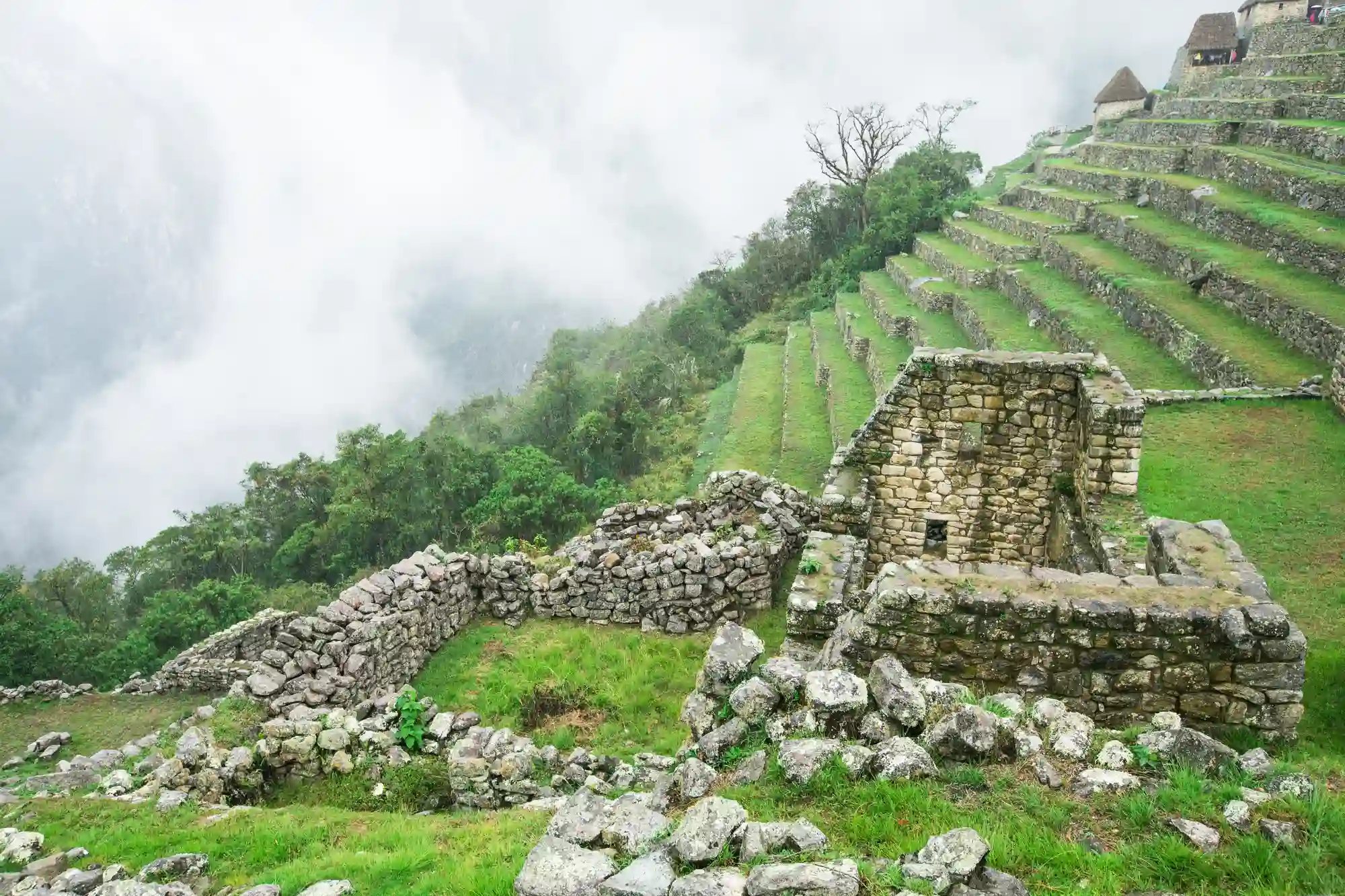
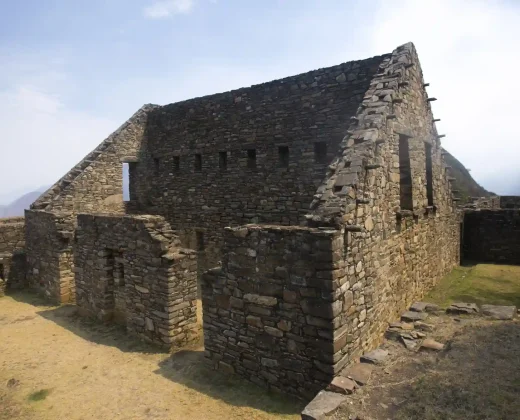
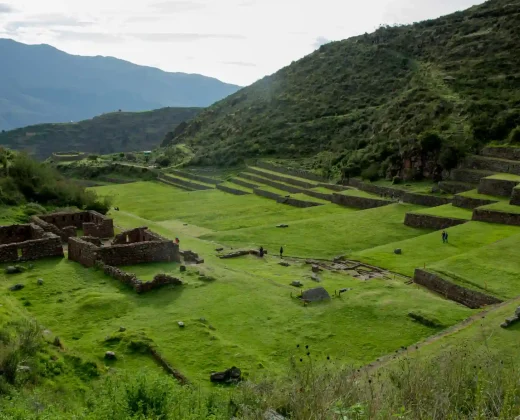
We handle the official permits required for the regulated Inca Trail portion of this expedition. Your permit also covers entry to the archaeological sites along the authorized route — Paucarcancha, Runkurakay, Sayacmarca, Phuyupatamarca, Wiñay Wayna and the others on your confirmed itinerary. Since permits are capped and issued to one named traveler for one specific date, booking well ahead is not optional.
Muleteers and Horses — Salkantay Section
Across the Salkantay and Incachiriaska stages, a team of muleteers and horses moves the camping equipment, food, kitchen gear and your duffel bags. Each traveler can pack up to 7 kg / 15 lb, sleeping bag included in that weight, which means you walk with nothing more than a small daypack.
Professional Porter Service — Inca Trail Section
Horses are not permitted on the Inca Trail, so once the route joins it, porters take over. They carry the camping equipment, the food and your duffel bags, and they set up and break down camp at every stop — you continue with your daypack and nothing else.
Professional Bilingual Trekking Guide
A licensed guide stays with the group across both sections of the expedition. Ours work in English and Spanish and know the history, archaeology, ecology and cultural traditions of this region in depth. They are also trained for high-altitude situations and basic first-aid emergencies, which matters on a route that crosses two passes.
6 Breakfasts, 5 Lunches and 5 Dinners
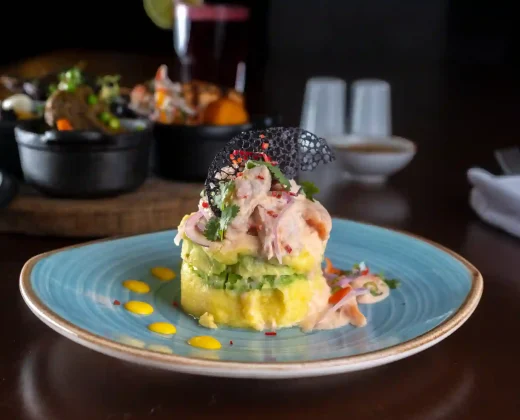
Six breakfasts, five lunches and five dinners are included, plus tea time and snacks on trekking days. Our chefs cook everything fresh, with ingredients chosen for the energy that consecutive days at altitude demand. Vegetarian, vegan, gluten-free, lactose-free and other requirements are catered for when we know in advance — please give us the full details when you book.
Drinking Water During the Trek
From the morning of Day 2 onward, boiled and cooled drinking water is available to refill your bottle at campsites and meal stops. For Day 1 you need to bring enough water to start with. A reusable bottle or hydration system is strongly recommended for the whole trip.
Professional Cooking Team
A dedicated crew of trekking chefs travels with the expedition for all six days. Cooking well in remote mountain conditions is a skill of its own, and ours have it — including the ability to work around particular diets when told in advance.
Complete Kitchen Equipment and Utensils
Everything needed to cook and serve on the trail is provided and carried from camp to camp by our support team: cooking equipment, kitchen supplies, serving utensils, dishes and the rest.
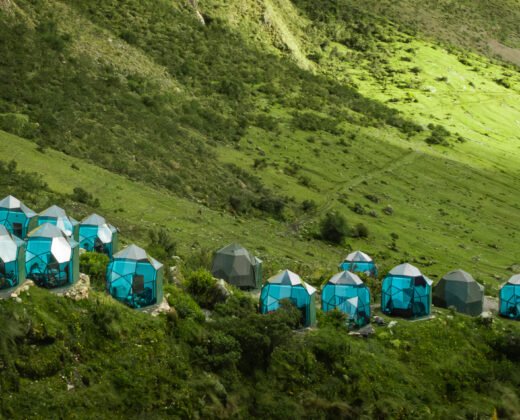
One Night in the Quiswarniyoc Sky Star Domes
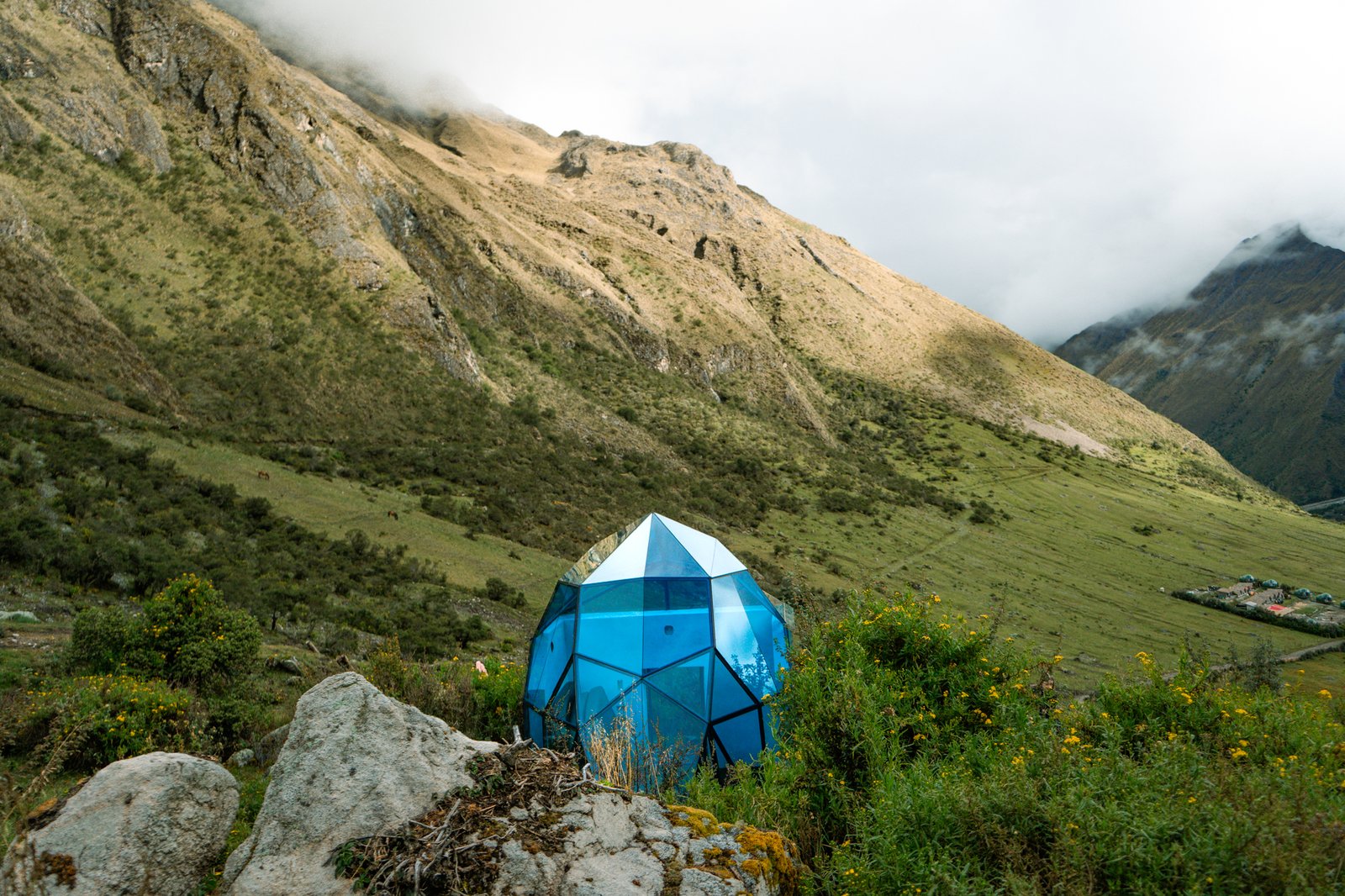
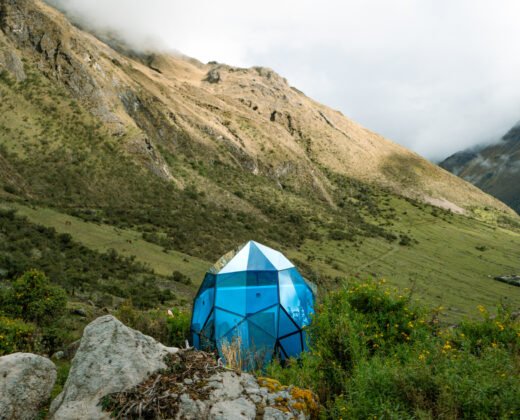
The first night is spent in our Sky Star Domes at Quiswarniyoc, high in Andean country near the Salkantay massif. The panoramic design opens onto the mountains and the night sky, and the comfort is a considerable step up from a standard trekking tent — mattresses and pillows included. Bring your own sleeping bag or rent one from us before departure.
Four Nights of Camping
The remaining four nights are camped along the route at Pampacahuana, Wayllabamba, Pacaymayo and Wiñay Wayna, as set out in the itinerary. Each site is positioned to set up the following day’s walking. Wherever operating conditions allow, our team has the campsite ready before you arrive.
Spacious Trekking Tents
Camping nights are spent in quality trekking tents built for mountain weather. We use larger-capacity tents for two people, which leaves real room to sleep and to organize your gear rather than living on top of it.
Inflatable Sleeping Mats
Every traveler gets an inflatable mat for the camping nights. It cushions you from the ground and, just as importantly at these altitudes, insulates you from the cold coming up through it.
Dining Tent and Kitchen Tent
Two separate tents travel with the group: a kitchen tent where the chefs work, and a dining tent with tables and chairs where the group eats. Breakfast, lunch, dinner and tea time all happen under cover, out of the wind.
Private Portable Toilets
Wherever operating rules and the campsite permit, we set up private portable toilets for our own group — noticeably better on privacy and hygiene than depending entirely on the shared public facilities along the route.
Machu Picchu Entrance
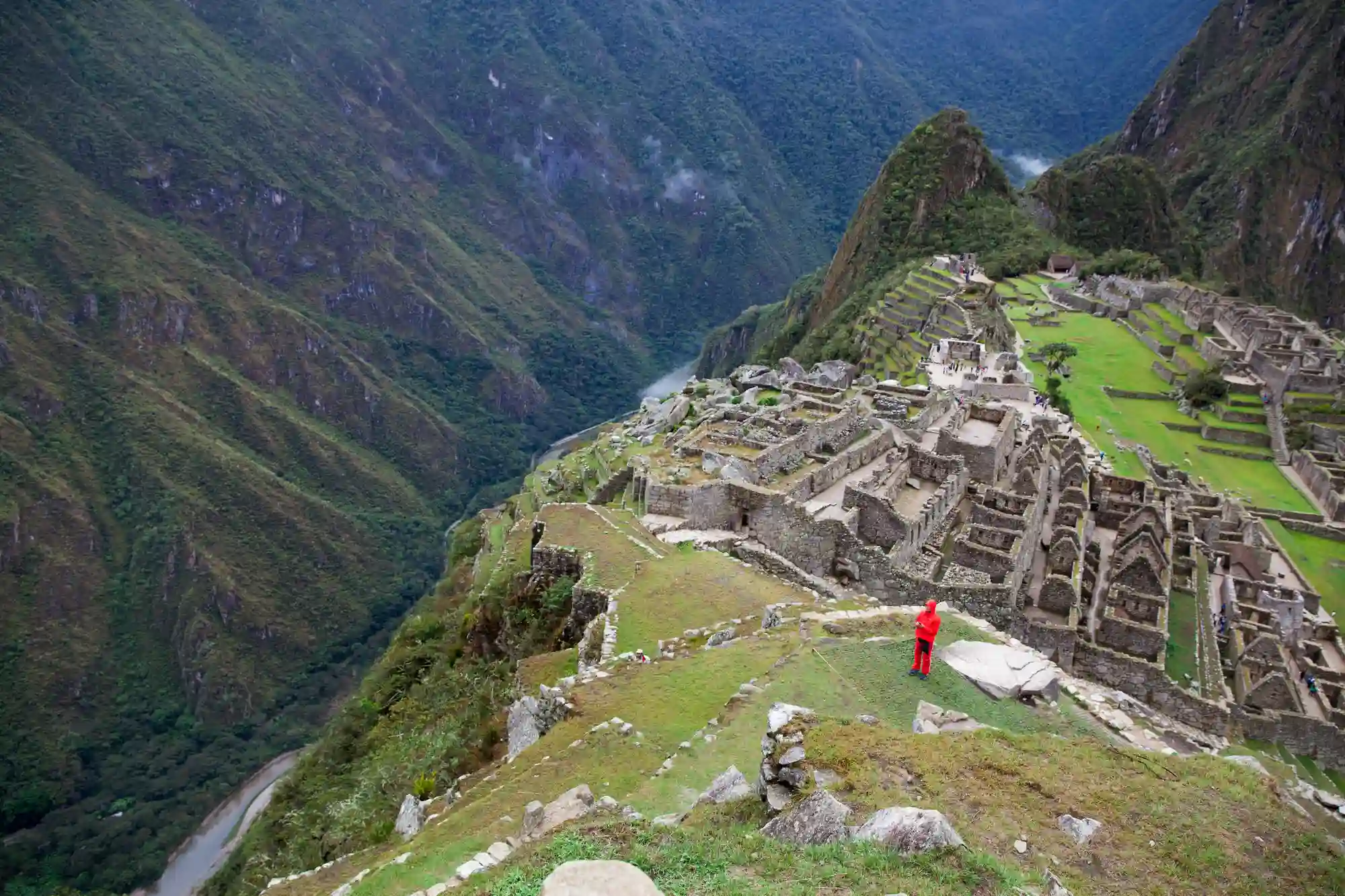
The Machu Picchu entrance arrangements that go with this Inca Trail itinerary are part of your package. On the final morning you come in through Inti Punku, the Sun Gate, for the first full view of the citadel from above, and the visit continues along the entrance route assigned to your reservation. The precise access arrangement, circuit and sequence are confirmed according to the official permits and availability for your departure date.
Professional Guided Tour of Machu Picchu
Inside the citadel your guide takes you through the authorized route, covering the history, the architecture, the religious life, the engineering and why this place mattered. The visit is organized around the circuit and entry conditions assigned to your group.
Bus Ticket from Machu Picchu to Aguas Calientes
A one-way shuttle ticket down to Aguas Calientes is included once the visit is over. The descent takes about 25 to 30 minutes — a welcome ride after six days on foot.
Return Train from Aguas Calientes to Ollantaytambo
A standard Expedition or Voyager train ticket is included. Afternoon departures are arranged around availability and the timing of your Machu Picchu entry. The journey runs about an hour and a half through the Urubamba Valley.
Private Transfer from Ollantaytambo to Cusco
A Machu Picchu Team driver meets the group at Ollantaytambo station for the last leg into Cusco, roughly one and a half to two hours depending on traffic and road conditions.
Free Luggage Storage in Cusco
Anything you do not need on the trek can stay at our Cusco office, free of charge. Take only the clothing and equipment the expedition requires and leave the suitcase behind — but keep your passport, money, medication, electronics and other valuables with you at all times.
Oxygen and First Aid Equipment
Your guide carries an emergency oxygen bottle and a full first aid kit throughout. Both are there for the ordinary trekking situations and the altitude-related ones this route can produce. Travelers on prescription medication must bring enough for all six days.
Hotel or Airbnb Drop-Off in Cusco
After the train and the road transfer, we drop you at your hotel or Airbnb within our standard service area in Cusco. Arrival is usually in the evening and shifts with the confirmed train schedule, the roads and the traffic. If you left luggage at our office, we collect it before completing your transfer, so the trip finishes with everything you own back in your hands.