How to Book the Choquequirao Trek 3 Days
Reserving the Choquequirao Trek 3 Days with Machu Picchu Team takes just a few minutes, either online from wherever you are or face to face at our Cusco office. Book early where you can, especially in high season: guides, lodge rooms in Marampata, pack horses, and local staff are all finite, and group departures only run once operations confirm them. If no group is forming on the date you want, we can put together a private trek for two or more people.
Booking Online
- Open the availability calendar with the BOOK NOW button.
- Pick your departure date and how many people are travelling.
- Fill in each traveler’s details: full name, nationality, passport information, date of birth, email, WhatsApp number, dietary needs, any relevant medical information, and where you’re staying in Cusco.
- Decide whether to pay the deposit or settle the full amount.
- Pay by debit or credit card. Online card processing adds 3.99%.
- Your receipt arrives by email automatically once the payment goes through.
- Our reservations team then reviews everything and sends your confirmation, briefing details, packing list, pick-up schedule, and any further instructions.
Every online reservation still depends on guides, private transport, lodge beds, kitchen staff, muleteers, horses, and entrance tickets being free on that date. Booking last minute? Message us before paying so we can verify that all three days of services are actually available.
Joining a Scheduled Group
Dates showing as available on the calendar usually mean a group is already confirmed or spaces remain. Solo travelers, couples, families, and groups of friends can all join — there’s no need to bring a full party. We keep numbers small so the guide can give closer attention and the trek runs smoothly. Don’t see your date? Write to us anyway: new departures form at short notice and availability shifts daily.
Booking a Private Trek
Private departures suit travelers who want a tailored experience or whose preferred date has no group. They run from two people upward, giving you flexible dates, a guide dedicated solely to your party, and a pace set by your own group rather than strangers. The per-person price moves with group size, since transport, guiding, lodging, meals, cooks, muleteers, horses, tickets, and logistics are all arranged exclusively for you. As a direct local operator, we hold the staff, equipment, and vehicles to make this work on flexible dates. Send us your date and traveler count for a personalized quote.
Booking at Our Cusco Office
You’re also welcome to reserve in person at Portal Nuevo 270, Plaza Regocijo — a block from the Plaza de Armas. Our team will walk you through the itinerary, daily distances, difficulty, accommodation, meals, horse service, what’s covered and what isn’t, payment terms, and how fit you need to be. Accepted payment methods:
- Cash in soles or US dollars
- Debit or credit card (3.99% processing fee)
- Bank transfer, arranged beforehand
What We Need From You
For each traveler: full name exactly as it appears on the passport, passport or ID number, nationality, date of birth, email, WhatsApp number with country code, Cusco accommodation, dietary restrictions or allergies, any medical conditions worth knowing about, and an emergency contact. Passport data is what allows us to arrange entrance tickets; your hotel and contact details are how we coordinate the briefing and pick-up.
Pre-Trek Briefing
Attendance is compulsory. We meet at our Cusco office at 6:00 PM the evening before you leave, where your guide covers the full itinerary, trail and weather conditions, packing advice, your questions, and the exact pick-up time. You’ll also collect your duffel bag, which holds up to 7 kilograms and travels by pack horse.
Changes, Cancellations and Refunds
Moving Your Date
Send date-change requests by email or WhatsApp as far ahead as possible. Rescheduling hinges on availability of guides, vehicles, lodge rooms, cooks, muleteers, horses, tickets, and confirmed groups. Services already booked or paid to local suppliers may not be recoverable, and any extra cost triggered by the change — new tickets, lodging, transport, staffing, logistics — falls to the traveler. Reach us at machupicchureservations@gmail.com or on WhatsApp at +51 974 217 700.
If You Cancel
A deposit of USD 180 per person confirms your booking and is non-refundable. Cancel more than 48 hours before departure and we deduct that deposit plus anything already committed to local suppliers, refunding whatever eligible balance remains. Within 48 hours of departure, nothing is refundable. Missing the confirmed pick-up, turning up too late to start, or not showing on the departure date counts as a no-show, with no refund, credit, or rescheduling. Card fees, bank charges, currency conversion, exchange-rate differences, and sums already paid to guides, lodge operators, cooks, muleteers, drivers, or ticket administrators cannot be returned.
If We Cancel or Modify
We may adjust, postpone, or call off the trek when the route turns unsafe or impossible to run — severe weather, landslides, trail damage, road closures, flooding, fires, strikes, social unrest, government restrictions, medical emergencies, or anything else outside our control. Where operations permit, we’ll offer one of the following:
- A different departure date
- A revised itinerary
- An alternative route or activity of comparable value
- A refund covering services not delivered and still recoverable from suppliers
Services already reserved, paid, used, or marked non-refundable by third parties can’t be guaranteed back.
Before You Commit
This is a compressed, physically serious itinerary: long days on foot, punishing climbs and descents, big elevation swings, and real heat down in the Apurímac Canyon. Read the itinerary, difficulty rating, daily distances, and physical requirements properly before booking. It suits hikers with experience who are already acclimatized and at ease walking several hours on steep mountain terrain. We strongly recommend comprehensive travel insurance covering trekking, medical treatment, emergency evacuation, cancellation, and delays.
Frequently Asked Questions — Choquequirao Trek 3 Days
What makes the Choquequirao Trek 3 Days worth doing?
Few Inca sites in Peru remain as hard to reach — or as quiet — as Choquequirao. This route packs a serious mountain adventure into three days, dropping you through the vast Apurímac Canyon and climbing back out the other side, with nights spent in a lodge at Marampata rather than a tent. You get sweeping canyon panoramas, a thorough guided tour of the ruins, and a site you’ll often have largely to yourself, unlike Peru’s more trafficked destinations.
How demanding is the trek?
Genuinely tough. You’ll spend long hours on your feet, tackling steep climbs and equally steep descents on rough, uneven mountain paths with substantial changes in altitude along the way. It’s a route for people who are in solid shape, have hiked before, and have given their bodies time to adjust to the altitude in Cusco.
Do I need to acclimatize first?
Yes, and we’d insist on it. Spend a minimum of two days in Cusco or somewhere else at height before you start. Letting your body adapt, drinking plenty of water, resting properly, and walking at a measured rhythm all go a long way toward keeping altitude symptoms at bay.
When is the best time to go?
Most travelers choose the April–October window, when rain is less frequent and the trail tends to hold up better. That said, weather in these mountains turns on short notice in any month, so pack sun protection and a waterproof layer regardless of when you travel.
Are meals included, and can you cater to special diets?
Meals listed in the official itinerary are all covered. Vegetarian, vegan, gluten-free, and other dietary needs are prepared at no extra charge as long as you let us know beforehand — mention any allergies or restrictions while you’re booking so the kitchen team can plan ahead.
Choquequirao Travel Guide: Everything You Need to Know Before the Choquequirao Trek 3 Days
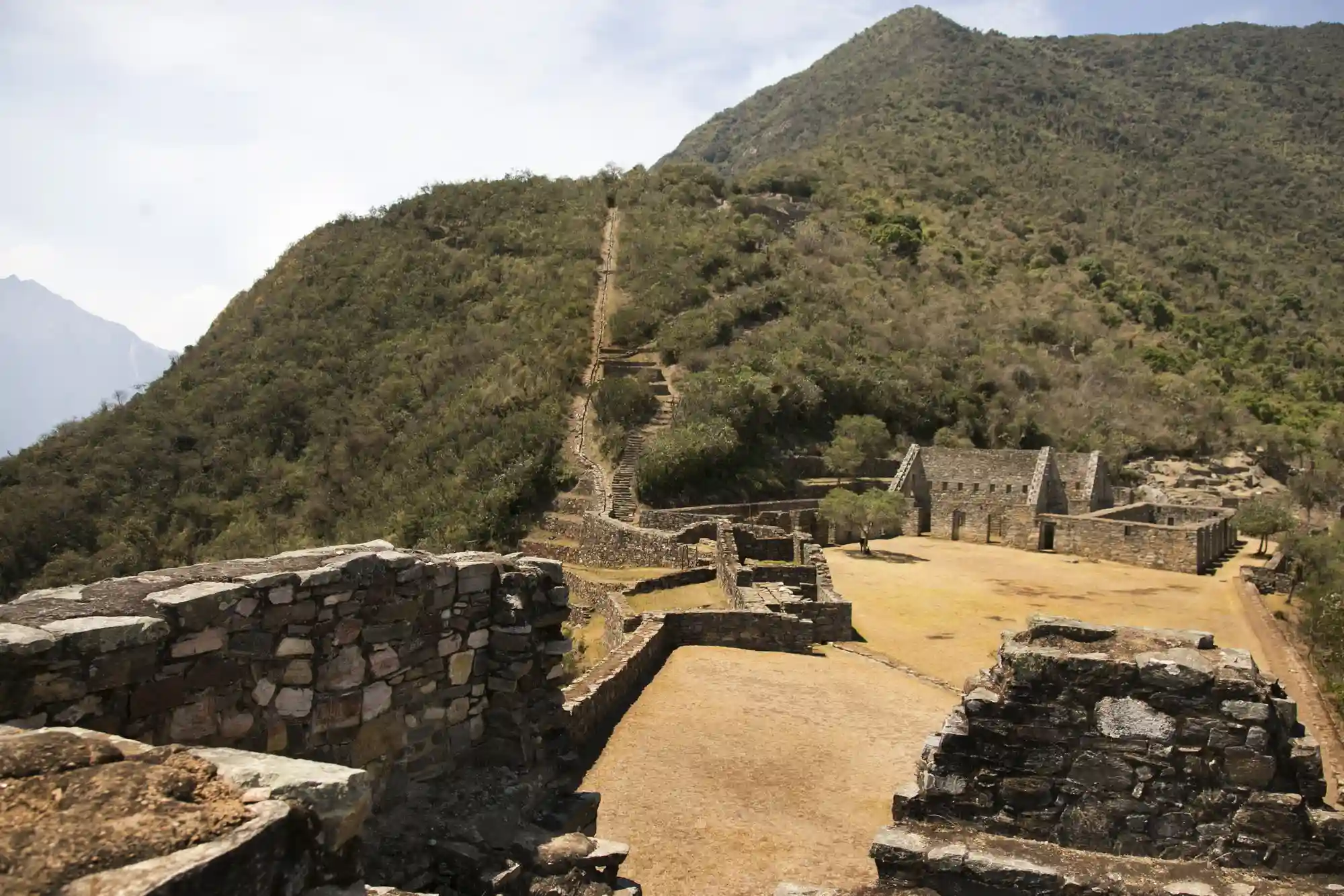
Choquequirao is the Inca city almost nobody sees. It sprawls across a ridge high above the Apurímac River, roughly 3,050 metres up, with no road, no railway, and no shortcut leading to it — only a footpath carved into the canyon wall. That isolation is exactly what makes it extraordinary. Where Machu Picchu receives well over a million visitors a year, Choquequirao sees fewer than 10,000. On most days you’ll share the ruins with a handful of other hikers, if that.
This guide covers what the site is, what the canyon demands of you physically, when to go, and how to prepare for the Choquequirao Trek 3 Days.
What Is Choquequirao?
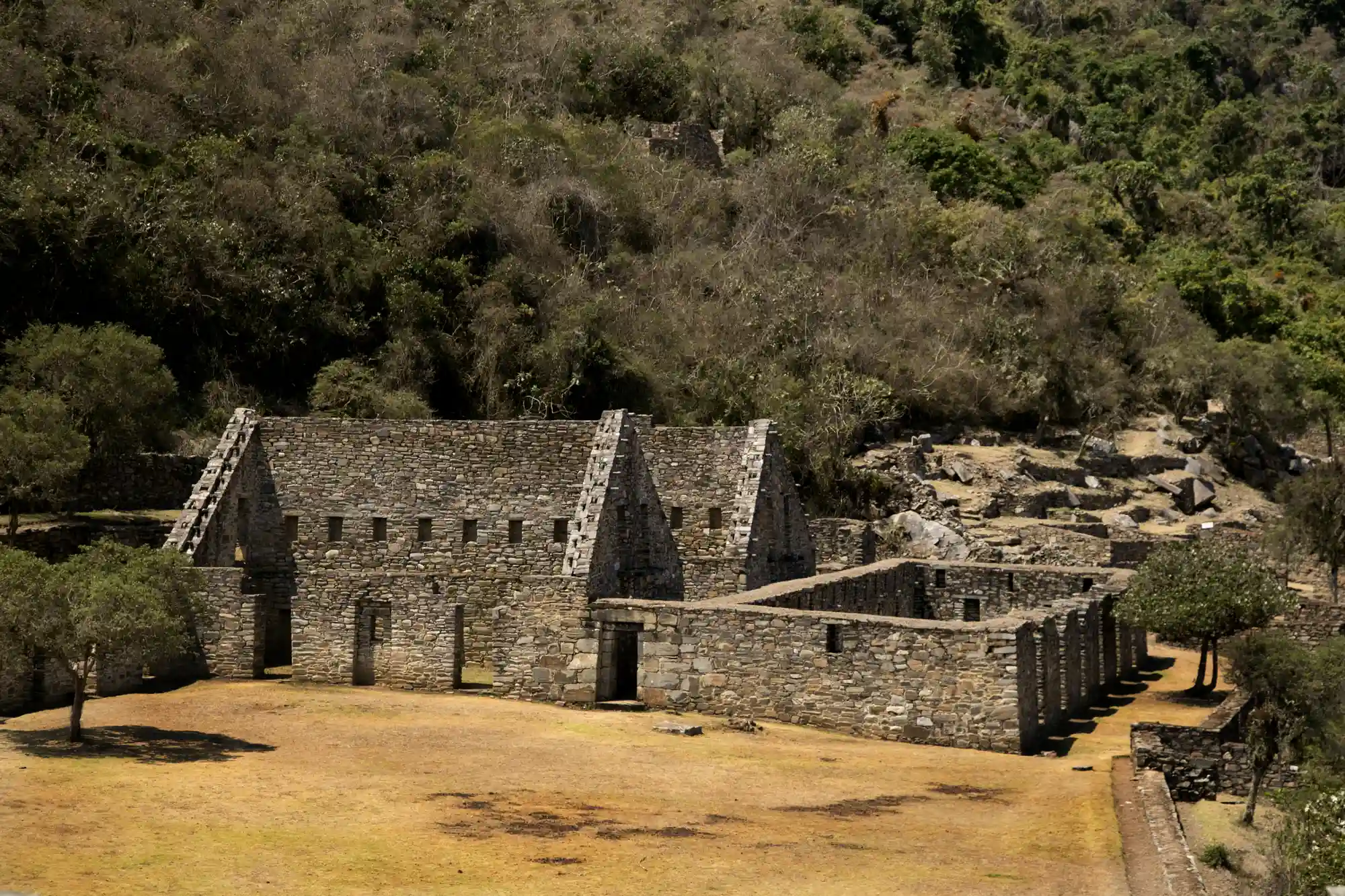
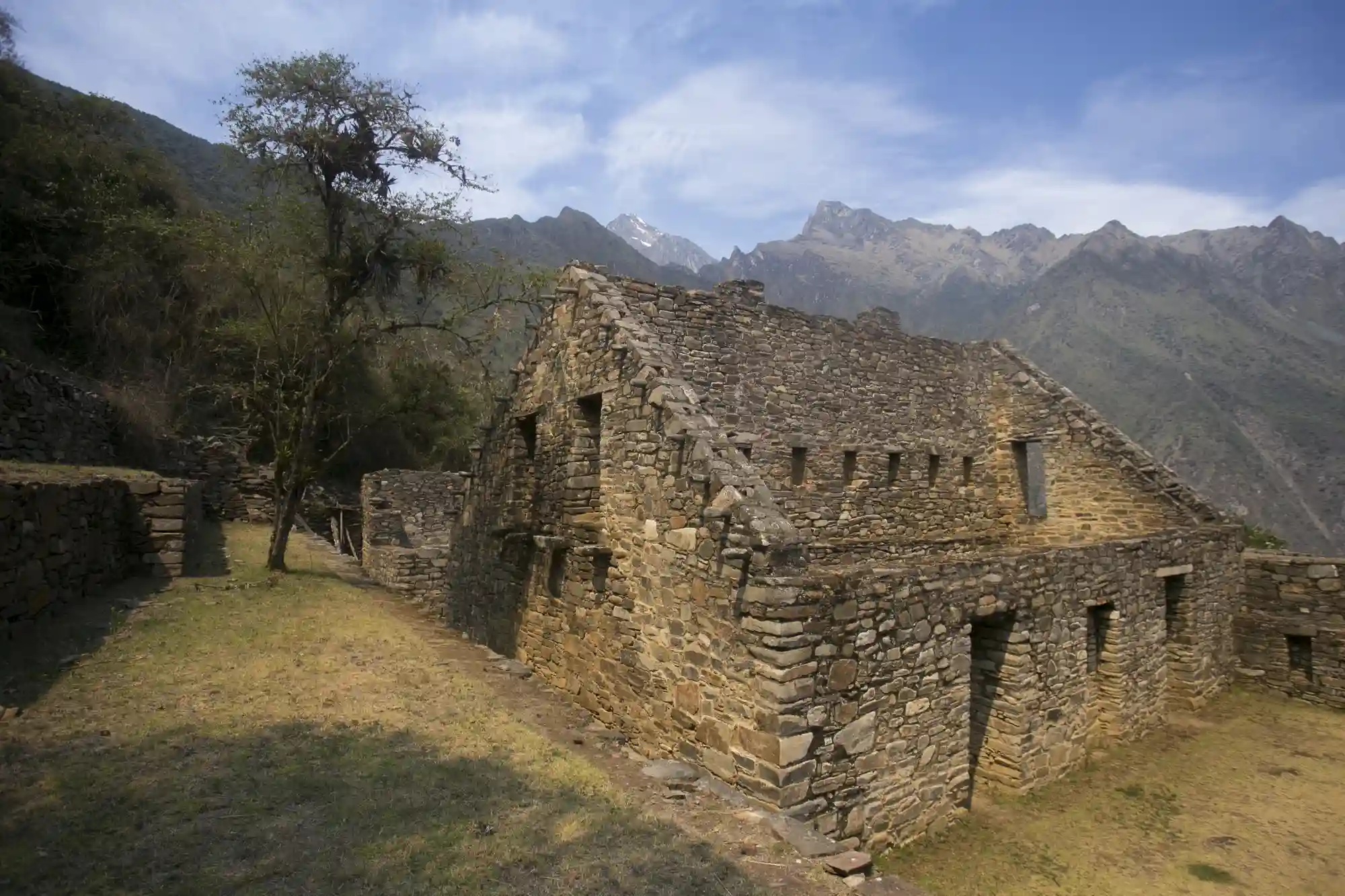
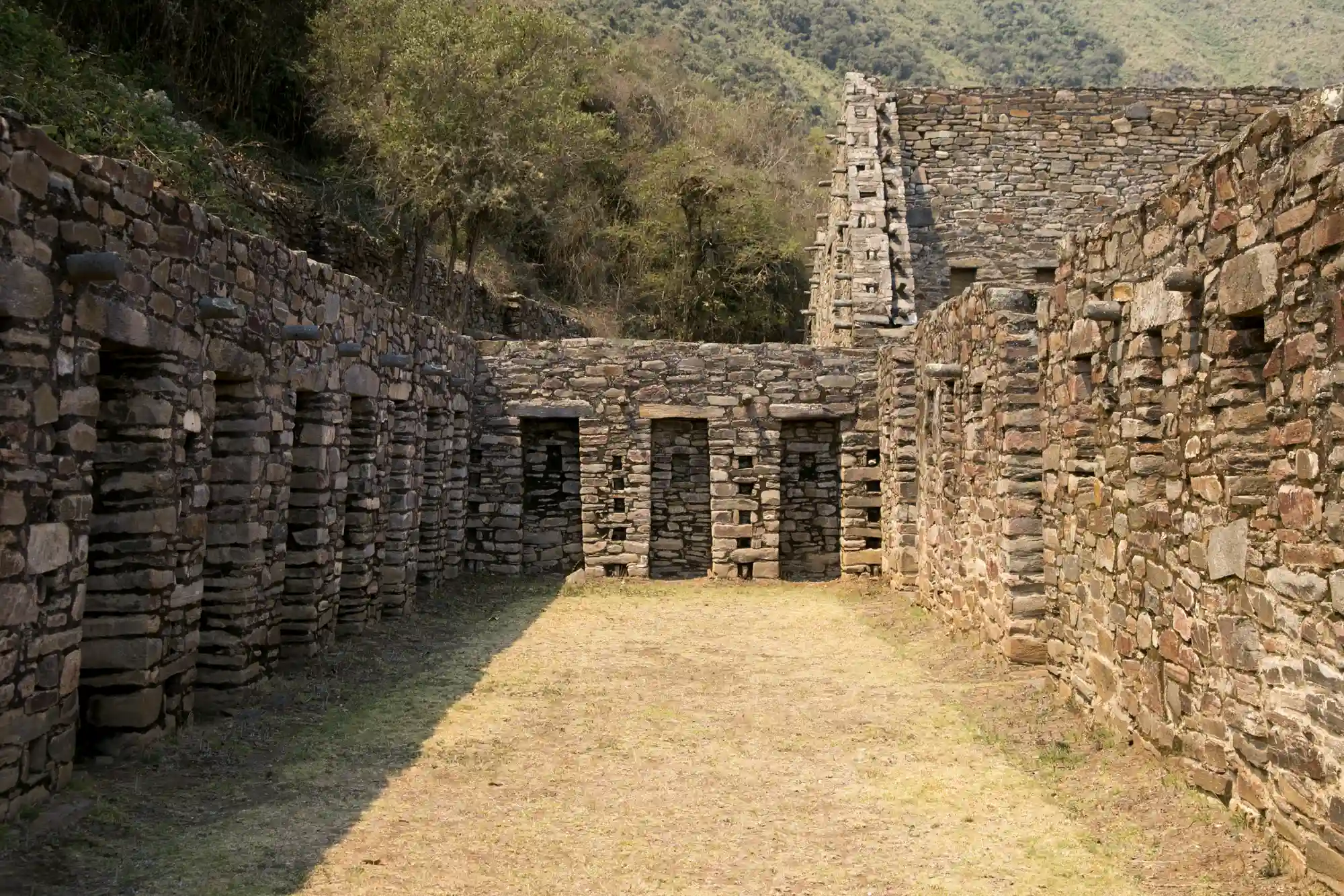
The name comes from Quechua — choqe (gold) and k’iraw (cradle) — usually rendered as “cradle of gold.” Archaeologists place its construction in the late fifteenth century, during the reigns of Pachacútec and his successors, and the site’s architecture, ceremonial layout, and stonework closely echo Machu Picchu’s. The two were built by the same civilisation, in the same era, to similar design principles.
Choquequirao is also considerably larger. Estimates vary, but only around 40% of the complex has been excavated and interpreted — the rest sits under centuries of cloud-forest vegetation on ridges and slopes that have never been systematically cleared. Walking through it, you’re seeing a fraction of what’s actually there. Inkayni Peru Tours
After the Spanish conquest, the region became part of the Inca resistance’s territory, linked to the Vilcabamba redoubt where Manco Inca and his successors held out for decades. Choquequirao’s remoteness made it useful then, and kept it obscure afterwards. Hiram Bingham passed through in 1909, two years before he reached Machu Picchu, but the site never captured public attention the same way — largely because getting there has always been brutally hard.
The Apurímac Canyon: Why This Trek Is So Demanding
Most treks in the Cusco region climb to a high pass and come back down. Choquequirao does the opposite, and it does it twice.
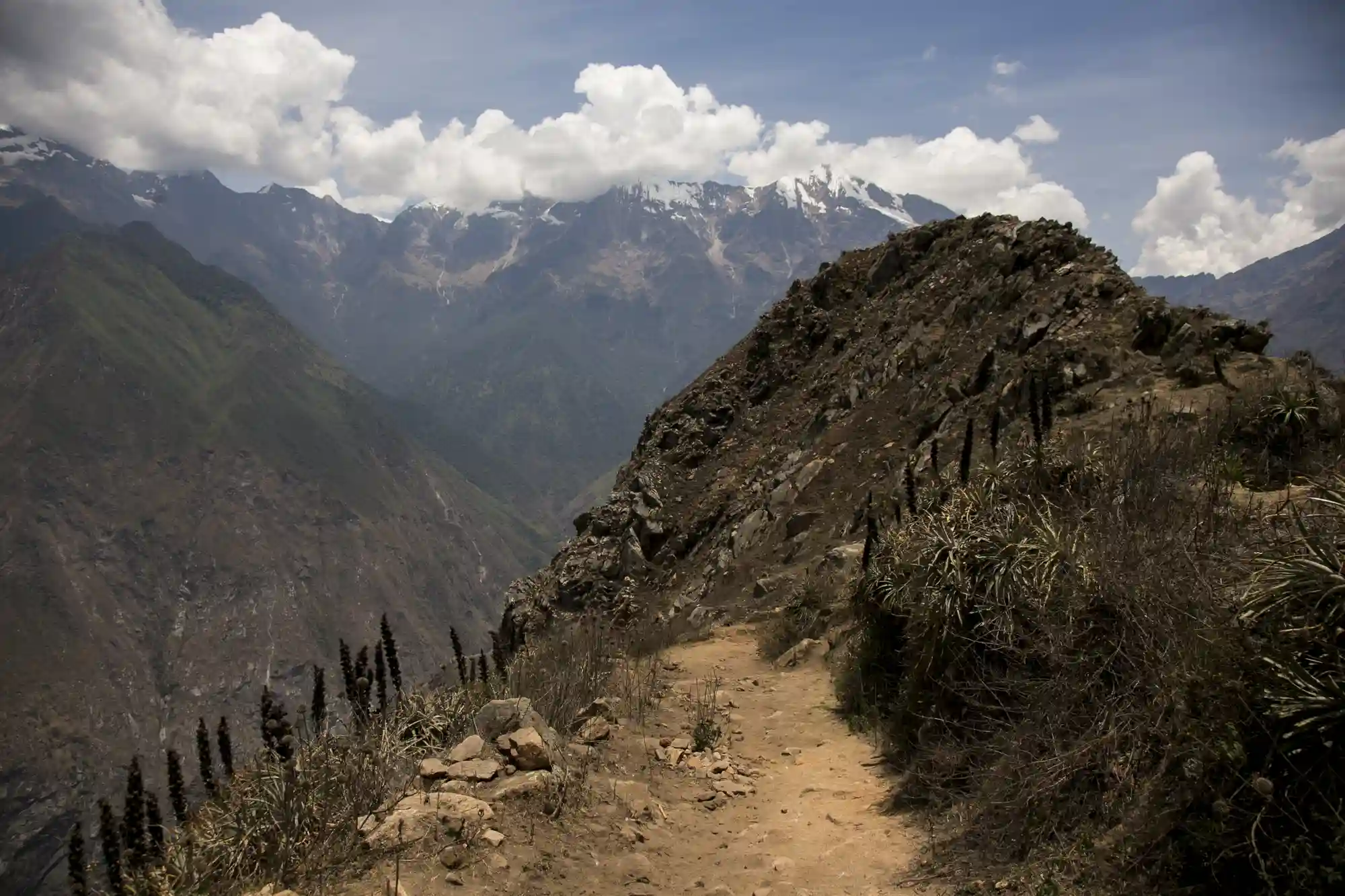
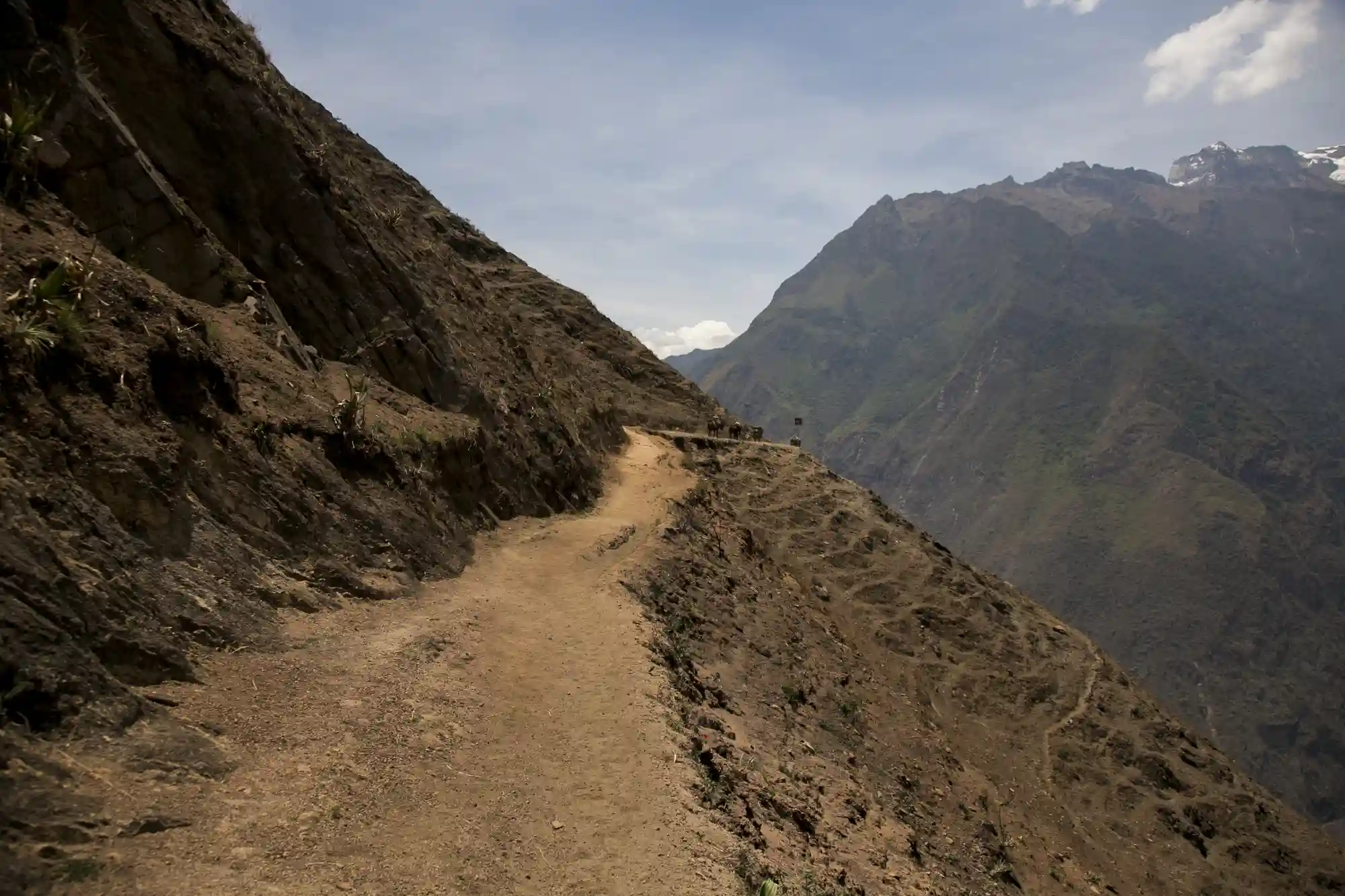
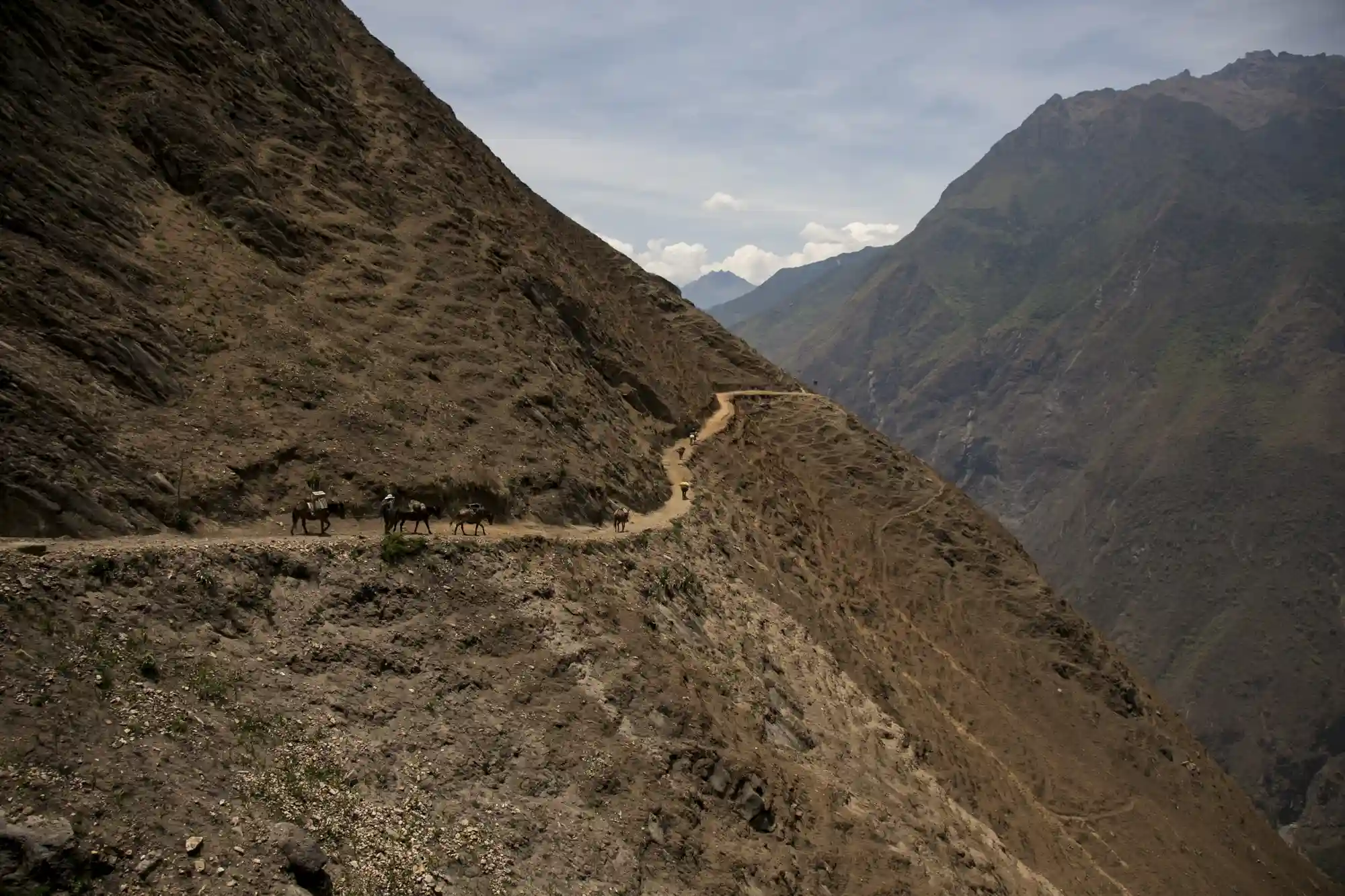
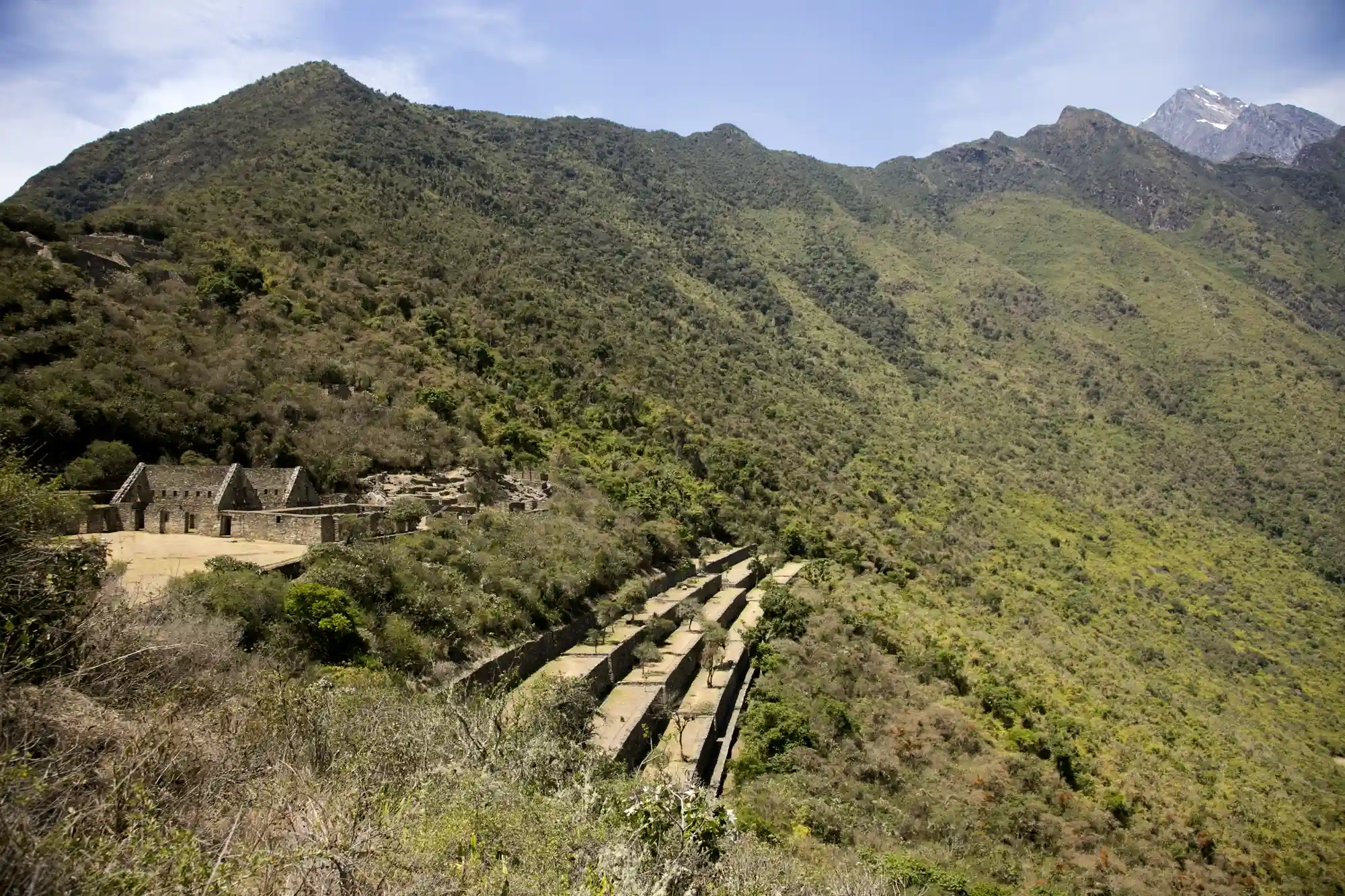
From the trailhead at Capuliyoc, sitting at roughly 2,900 metres, the trail drops almost 1,400 vertical metres to the Apurímac River at around 1,550 metres. Then it climbs straight back up the far wall to Marampata at about 2,850 metres. That’s a full descent and a full ascent, on switchbacks, in a canyon that traps heat like an oven. On the return, you do the entire thing in reverse.
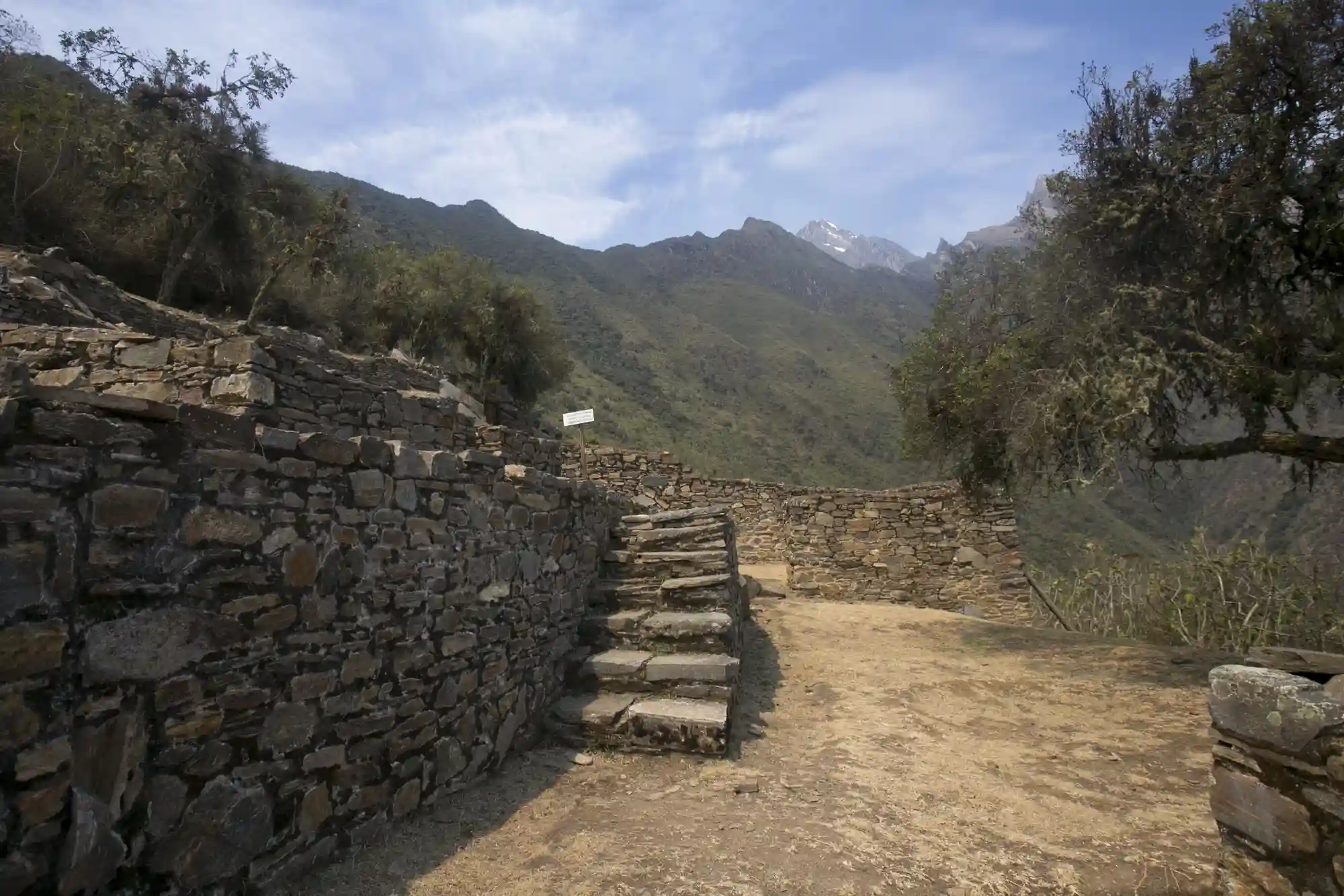
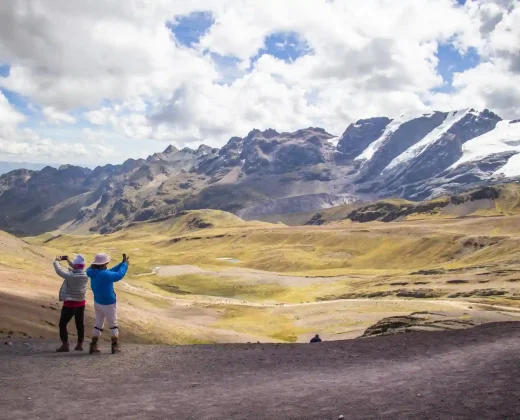
The Apurímac Canyon is among the deepest in the world, deeper in places than the Grand Canyon. The temperature swing between the riverbed and the ridgeline is dramatic — you can start a morning in a fleece and be stripping layers by mid-morning as you descend into the subtropical zone at the bottom.
This is the single most important thing to understand before booking: the difficulty here isn’t altitude sickness, it’s the sustained elevation change and the heat. The long descents punish knees far more than the climbs punish lungs, which is why trekking poles are close to essential rather than optional.
Why Choose the 3-Day Version?
The classic Choquequirao route is a four- or five-day camping trek. The Choquequirao Trek 3 Days compresses the same canyon crossing into a tighter schedule and swaps tents for a lodge at Marampata.
The trade-offs are worth understanding:
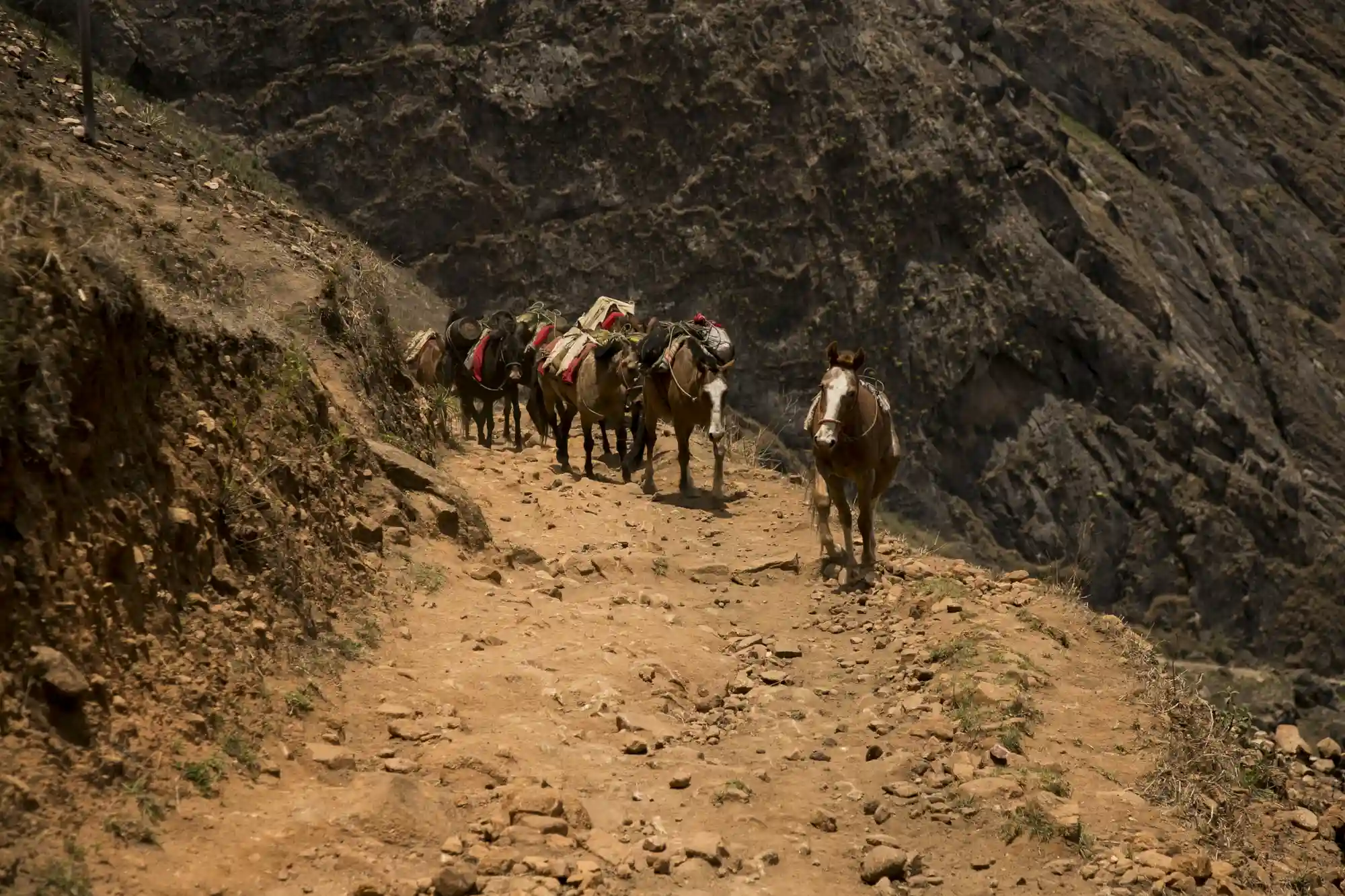
What you gain. A bed, blankets, and a roof for both nights instead of a sleeping mat. No sleeping bag or tent to carry or rent. Two fewer days off your Peru itinerary. Warm meals in a fixed base rather than a camp reassembled each evening.
What it costs you. The days are longer and harder. You cover the same terrain in less time, which means the Day 1 descent-and-climb to Marampata is a genuinely big day, and Day 3 asks you to repeat it in the other direction. This isn’t the gentler option — it’s the faster one.
Who it suits. Hikers with real trail experience who are properly acclimatised and comfortable walking six to eight hours on steep ground. If you’ve never done a multi-day mountain trek, the longer itineraries are a kinder introduction.
Route Overview
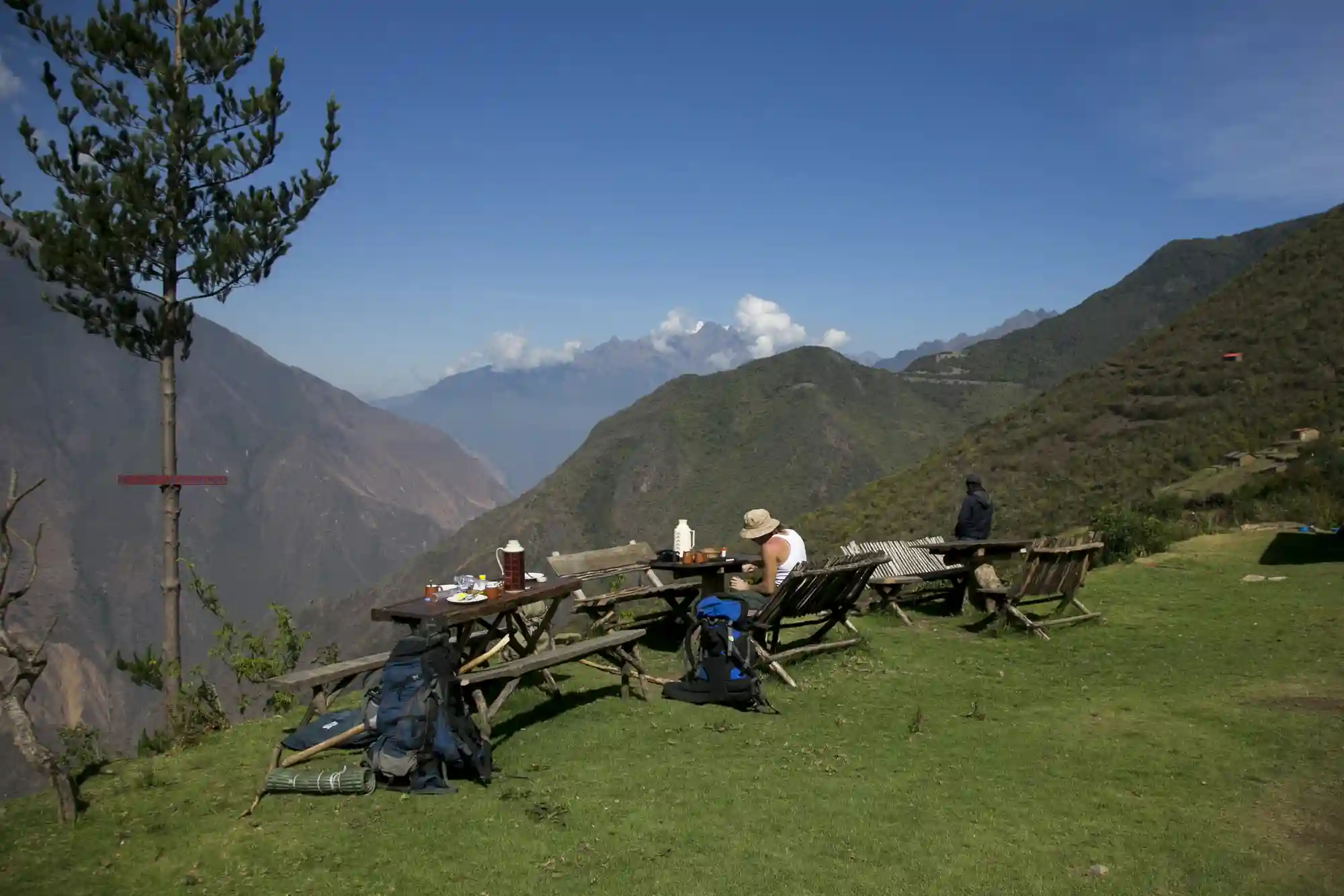
Day 1 — Cusco to Marampata. A pre-dawn pickup (between 3:30 and 4:00 AM) gets you on the road for roughly four hours through Cachora to the Capuliyoc trailhead. From there the trail descends through dry canyon scrub to the Apurímac, crosses the river, and climbs to Marampata, where the lodge sits with the ruins visible across the ridge.
Day 2 — Choquequirao. A short walk brings you into the archaeological complex, where you’ll spend several hours with your guide moving through the main sectors before returning to Marampata for a second night.
Day 3 — Marampata to Cusco. An early start for the long descent back to the river, the climb out to Capuliyoc, and the drive home.
What You’ll See at the Site
Choquequirao is built across several distinct sectors spread over a wide area, connected by Inca paths and staircases:
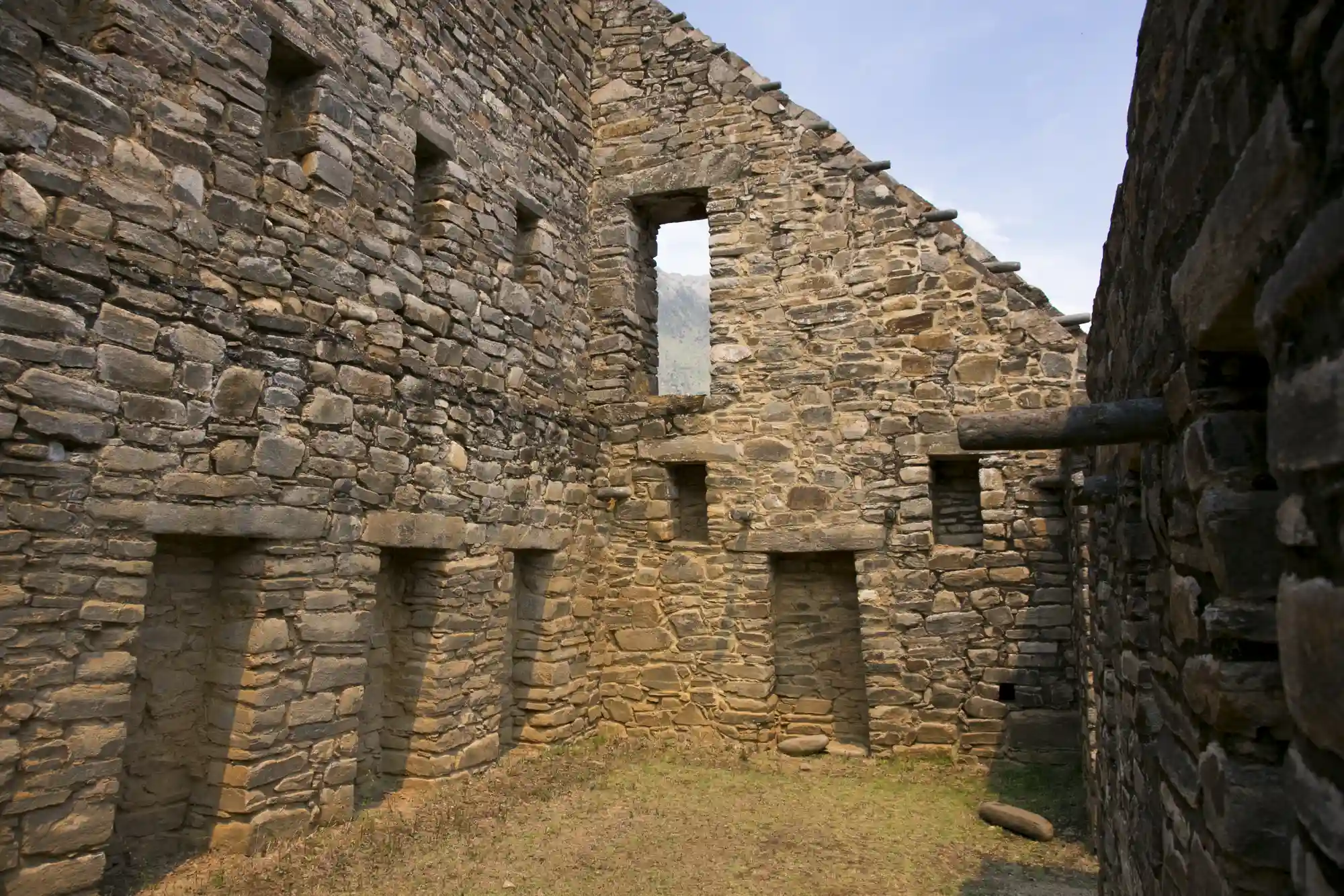
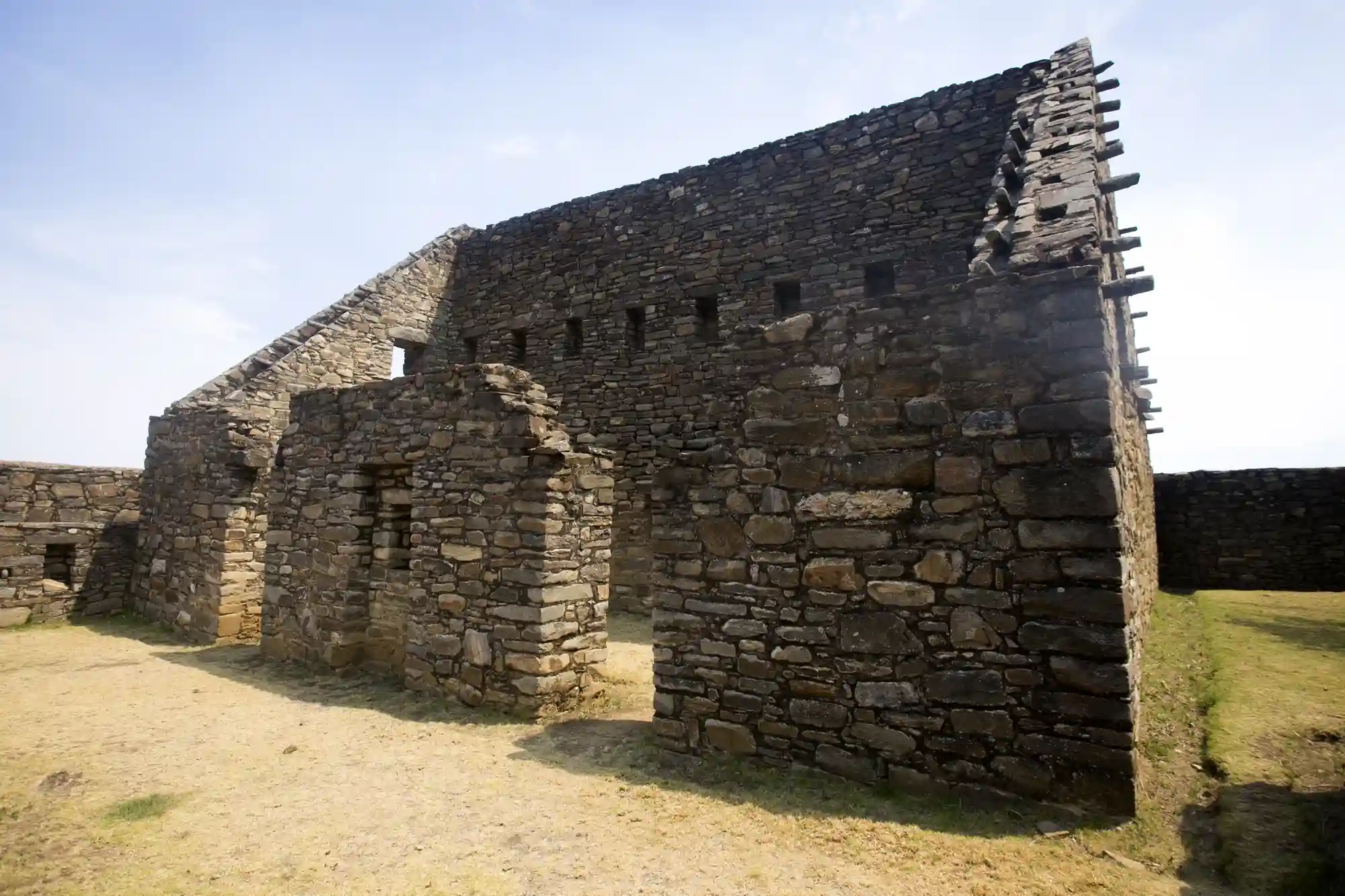
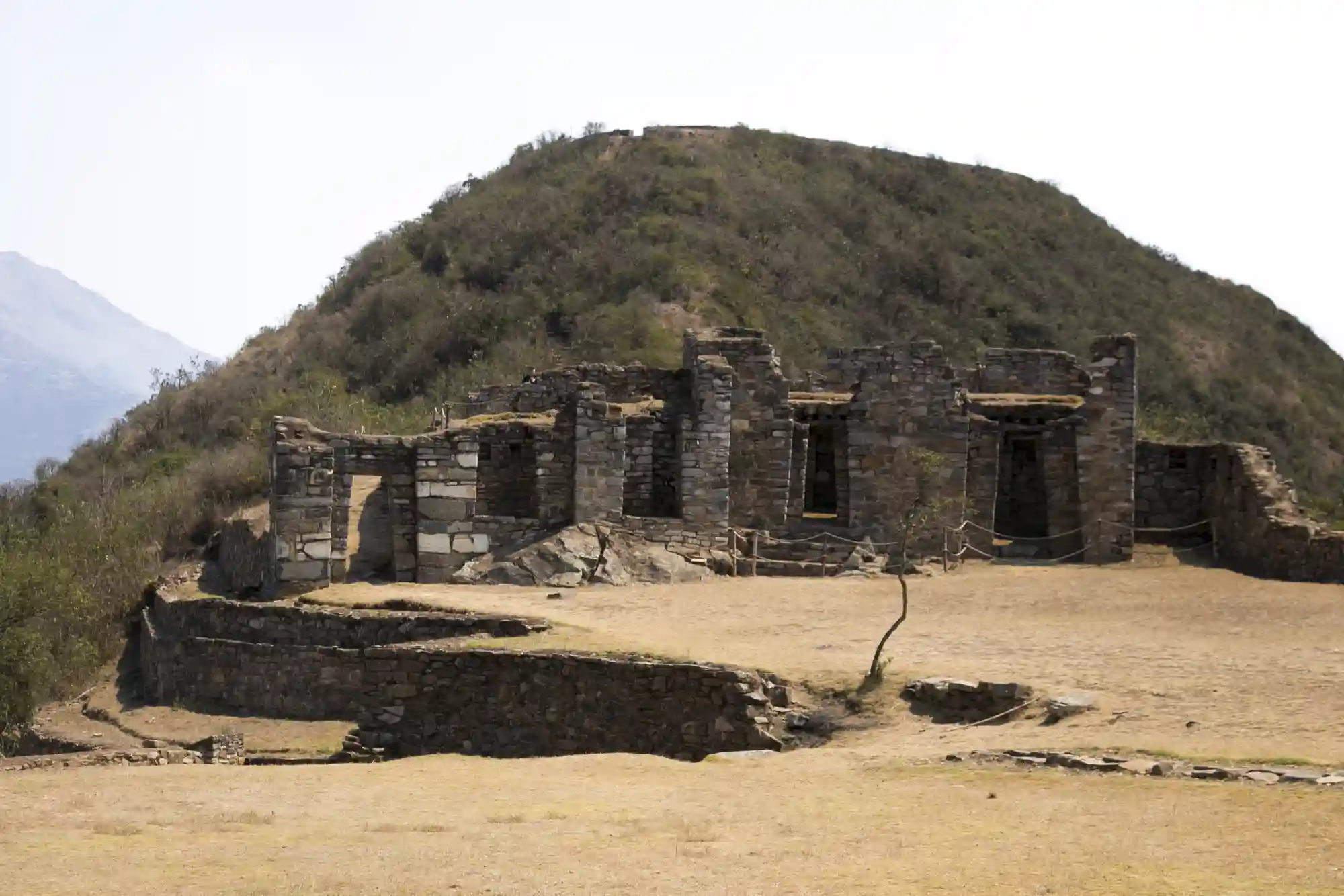
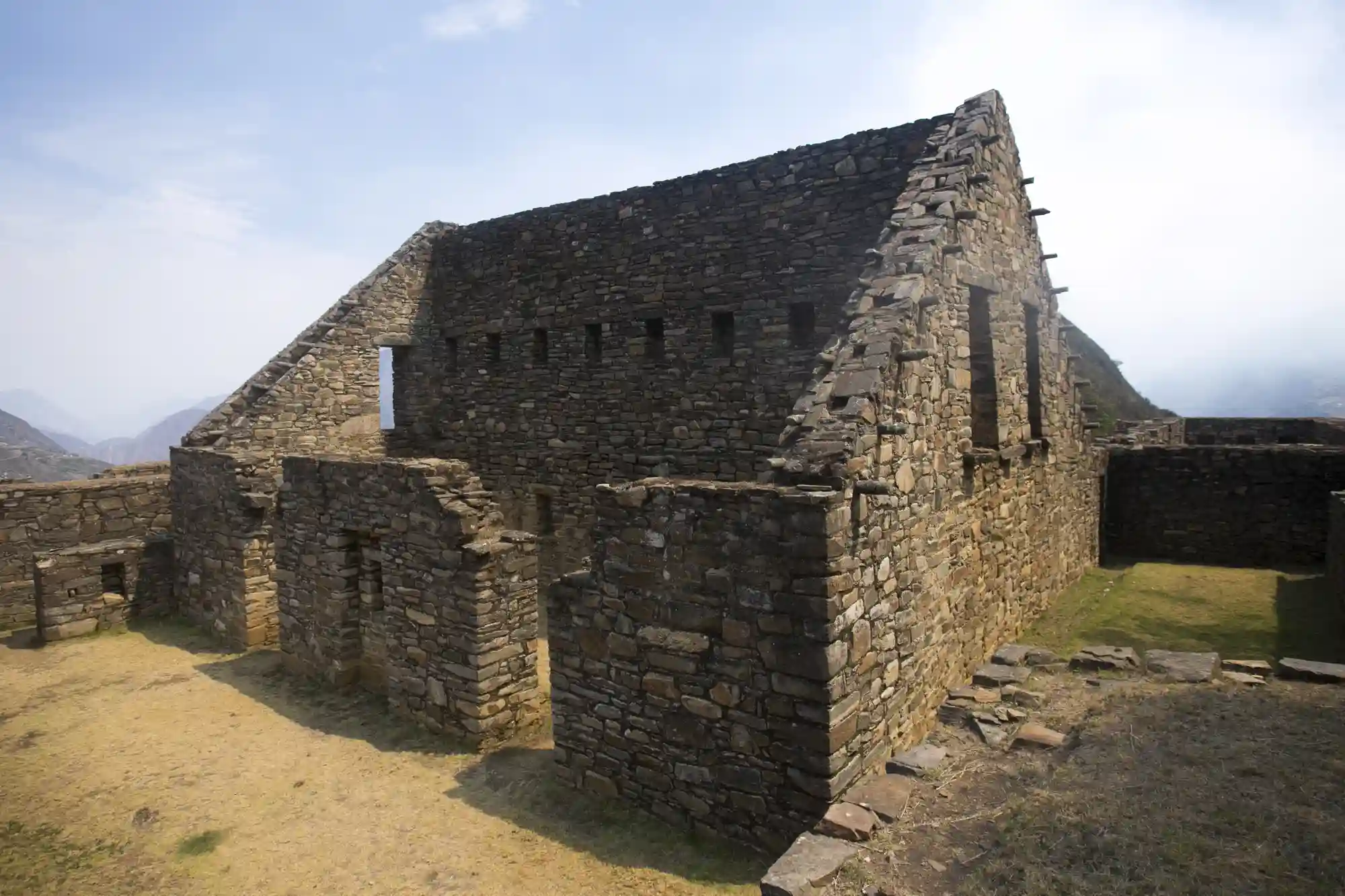
The ceremonial plazas and temples. The upper platform holds the main ritual spaces, including the usno — a raised ceremonial platform aligned with surrounding peaks that were sacred apus in Andean cosmology.
The agricultural terraces. Vast stepped platforms drop down the mountainside, engineered with drainage systems that still function five centuries later.
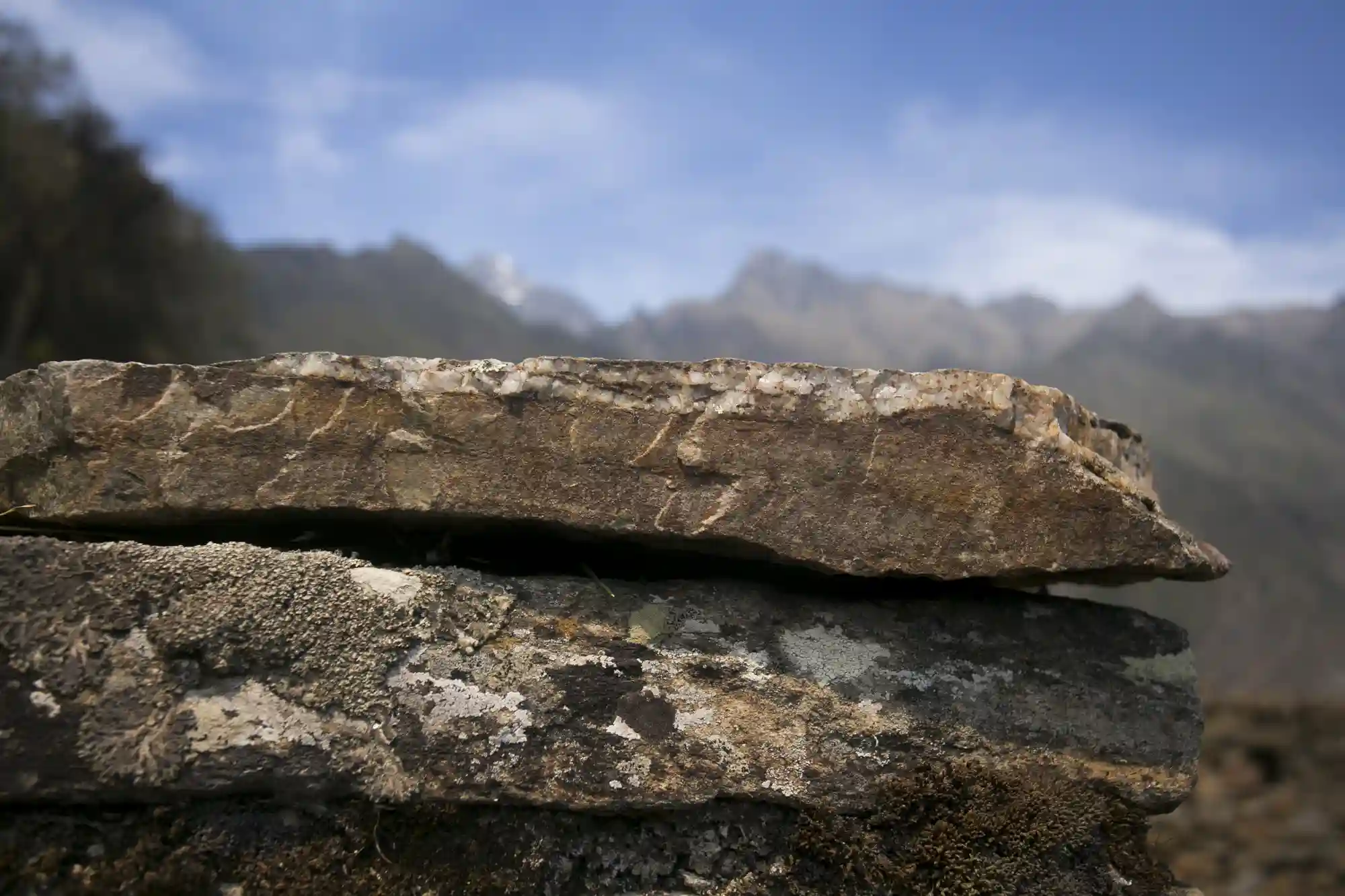
The llama terraces. The site’s signature feature and its most photographed. On a steep flank below the main complex, Inca builders set pale white stones into darker terrace walls to form a procession of llamas — roughly two dozen figures, some with what appear to be handlers. They were only cleared and documented in the early 2000s, and nothing quite like them exists anywhere else in the Inca world. Reaching them means a steep descent and an equally steep climb back, so whether you visit depends on your group’s energy and the day’s timing.
Pajchayoc and the water sector. Fountains, channels, and ritual baths that demonstrate how thoroughly the Incas engineered water through the entire settlement.
Residential and administrative areas. Where the site’s inhabitants actually lived and worked, giving a sense of Choquequirao as a functioning town rather than purely a ceremonial centre.
When to Go
Dry season (April to October). The reliable window. Less rain, firmer trail, clearer views across the canyon. June through August brings the most stable conditions but also the coolest nights at Marampata — pack a warm layer for the evenings even in the middle of a dry, hot day’s hiking.
Shoulder months (April and October). Often the sweet spot: greener landscape than mid-winter, fewer people on the trail, generally settled weather.
Wet season (November to March). Rain makes the switchbacks slippery, landslides occasionally close sections of trail, and cloud can obscure the canyon entirely. Some operators suspend the route in the wettest weeks. Not recommended for a compressed three-day schedule.
Whatever month you choose, mountain weather here changes without warning. Sun protection and a waterproof layer belong in your daypack year-round.
Acclimatisation and Altitude
Choquequirao itself isn’t extreme altitude — the ruins sit lower than Cusco. But you fly into Cusco at 3,400 metres, and you need to be adapted before you start walking.
Give yourself a minimum of two full days in Cusco or the Sacred Valley beforehand, three if you can spare them. Take it easy on arrival day, drink far more water than feels necessary, go light on alcohol, and eat modestly. Coca tea helps some people. A gentle acclimatisation hike on day two — Sacsayhuamán, the Sacred Valley ruins — is better preparation than sitting still.
Arriving in Cusco and starting a demanding trek the next morning is the most common planning mistake travellers make in this region.
Getting Physically Ready
Start preparing at least six to eight weeks out. The specific things that pay off:
Downhill training. The descents are what wreck people. Find hills and walk down them repeatedly. Your quadriceps take the load, and eccentric strength is what protects your knees over 1,400 metres of drop.
Back-to-back long days. Hiking four hours on a Saturday is useful. Hiking four hours Saturday and Sunday is far more useful, because it teaches your body to perform when it’s already tired.
Break in your boots. Not partially — completely. Blisters on Day 1 make Days 2 and 3 miserable, and there’s no way off the trail except on foot.
Practise with poles. If you’ll use trekking poles, learn how before you’re on a switchback with loose gravel underfoot.
Wildlife and Landscape
The canyon crosses several ecological zones in a single day’s walk, from dry Andean scrub to subtropical vegetation at the river. The Choquequirao Regional Conservation Area still shelters Andean condors, spectacled bears, and pumas, protected in large part by how few people come through. Condors are a realistic sighting from the ridgelines around Capuliyoc and Marampata, particularly in the morning thermals. Hummingbirds, orchids, and bromeliads appear as you drop into the wetter zones.
The Cable Car: Why Now Matters
For over a decade Peru has been developing a cable car that would connect Kiuñalla in Apurímac with Yanama on the Cusco side. The projected investment sits around $261 million, and the stated aim is to lift annual visitors from roughly 10,000 to more than a million, replacing two days of walking with a 20-minute crossing.The project has moved into a public tender under a public-private partnership model, with the government targeting an award in the final quarter of 2026
, though it has been postponed repeatedly since it was first floated in 2011 for technical, legal, environmental, and social reasons, and no construction date has been confirmed.
What this means practically: nothing changes for your trip in the near term. But the version of Choquequirao that exists today — empty, hard-won, silent — has a shelf life. If walking into an Inca city with almost nobody else there appeals to you, the window is open now and won’t stay open indefinitely.
Practical Tips
- Carry cash in soles. Small notes. There’s no ATM anywhere on the route and the family-run stalls along the trail don’t take cards.
- Don’t count on trailside shops. They exist, but hours and stock are unpredictable. Start each day with your own water.
- Treat any water you collect. Streams and springs are available; a filter or purification tablets make them usable.
- Insurance is not optional in practice. This is remote country with limited vehicle access and no quick medical response. Make sure your policy explicitly covers trekking and emergency evacuation.
- Pack for two climates. Cool mornings and evenings on the ridges, real heat in the canyon bottom. Layers you can shed and re-add.
Choquequirao or the Inca Trail?
They answer different questions.
The Inca Trail ends at Machu Picchu, requires permits booked months ahead, and puts you on a well-trodden route with hundreds of other trekkers. It’s spectacular and it’s popular for good reason.
Choquequirao needs no permit lottery, and delivers a site that is arguably more impressive per visitor than anything else in Peru — but it asks considerably more of you physically and gives you no train ride at the end. If you’ve already done Machu Picchu, or you want the Inca world without the crowds, the Choquequirao Trek 3 Days is the strongest argument in the Cusco region.