
Inca Trail tips you find online are variations on “book early” and “bring layers”. True, but not much use. The advice below comes from what actually goes wrong: the planning mistakes that cost travelers their permit, the training gap that leaves them limping on day three, and the small decisions that make four days on the trail comfortable instead of merely survivable.
1. Treat the permit as the first booking, not the last
Before flights, before hotels, before train times, answer one question: are there still permits for your start date? Access to the Classic Inca Trail is capped at 500 people per day, and that number includes guides, cooks and porters — leaving roughly 200 places a day for travelers. A couple can use nine permits once their crew is counted. Book five to six months ahead, and earlier for April through October.
2. Know that the permit is welded to your passport
Permits are non-transferable and non-refundable, and they carry your passport number. You cannot change the date, the name or the operator afterwards, and a cancelled permit does not return to the pool — it simply disappears. If you renew your passport between booking and travelling, tell your operator the same week.
3. Do not plan anything on the Inca Trail in February
The trail closes for the entire month for maintenance and conservation, and no permits are issued for any section, including the 2-day Short Inca Trail. It reopens on 1 March. Everything else runs normally in February — Salkantay, the Inca Jungle, the train — so a February trip to Machu Picchu is perfectly possible. Just not on this route.
4. Give altitude two days before you give it a mountain
Cusco sits at roughly 3,350 m. Landing from sea level and starting the trek the next morning is the most common planning error we see. Spend at least two full days in Cusco or the Sacred Valley first, and keep them easy — walking the city is useful, another high-altitude day hike is not.
5. Do not assume fitness protects you
It does not. Excellent cardiovascular condition makes the walking easier but has no bearing on your susceptibility to altitude sickness. A marathon runner who arrives on Monday and starts on Tuesday is at greater risk than a moderately fit traveler who acclimatized properly. Train for endurance; respect symptoms regardless of how fit you feel.
6. Train downhill, not just uphill
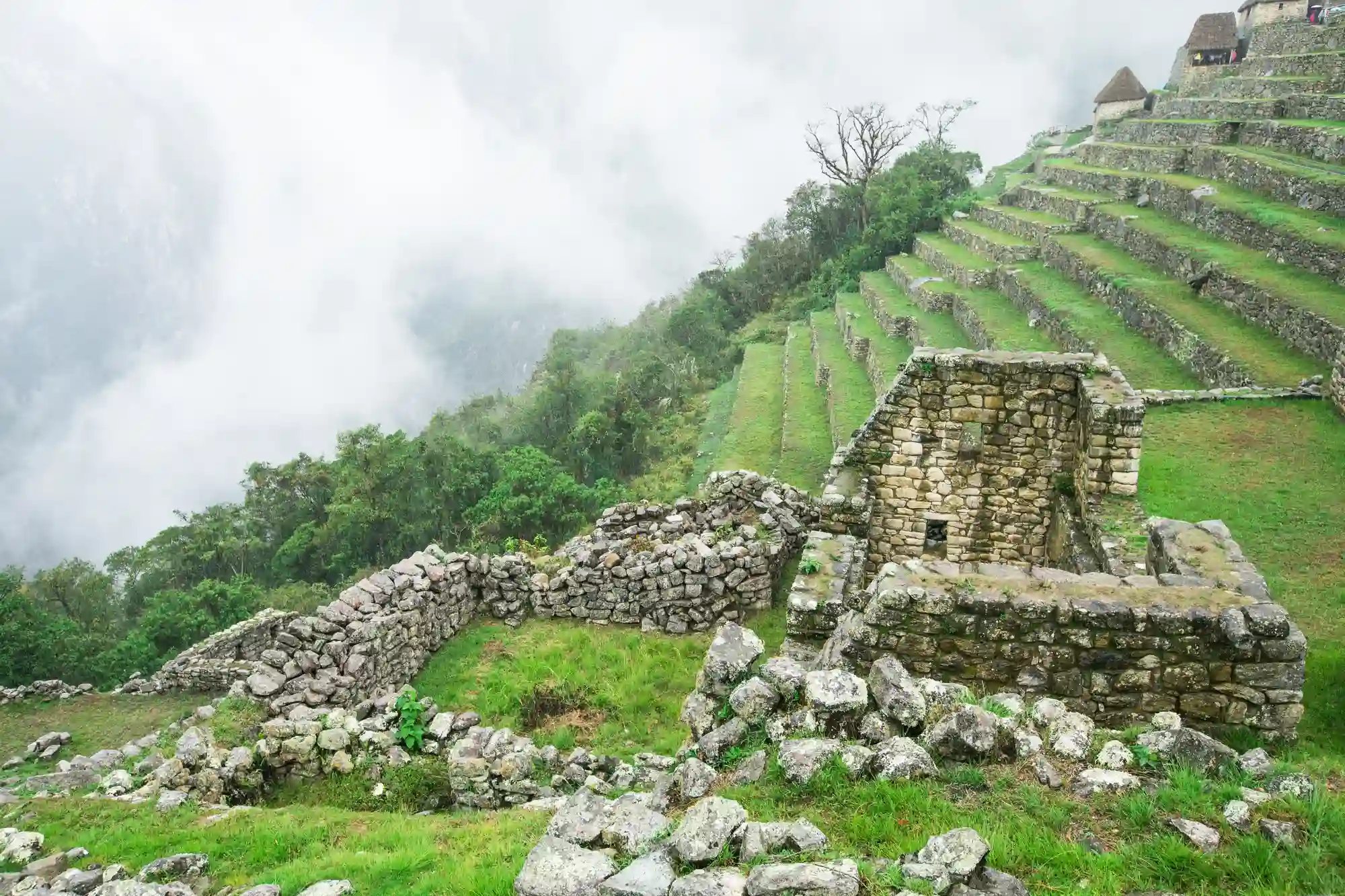
Almost everyone prepares by climbing stairs or running hills. That misses the part of the Inca Trail that does the damage. Thousands of stone steps descend from both passes, and it is the braking that wrecks quadriceps, knees and toenails. Practise descending slowly and under control before you arrive.
7. Train on back-to-back days
One successful long hike proves less than you think. The trail asks your body to walk again while still recovering from yesterday, four times over. During preparation, occasionally do two moderately demanding hikes on consecutive days and see how your legs respond to accumulated fatigue.
8. Never start in new boots
Footwear should be broken in and tested downhill, not only on flat pavement. Your toes should not hit the front of the shoe on descents; if they do on a training walk, they will do it a thousand times more on the way down from Dead Woman’s Pass.
9. Use rubber tips on your trekking poles
Poles are genuinely useful here, but metal tips are not permitted on the original stone sections because they damage the surface. Bring rubber tips or make sure your rental has them. Start using the poles from the top of a descent, not after your knees already hurt.
10. Keep one dry set of clothes you never hike in
Seal a shirt, socks, underwear and a warm layer in their own waterproof bag and leave them alone all day, every day. However wet the rest of your kit gets from rain or sweat, you arrive at camp with something dry. This single habit does more for comfort than three extra outfits.
11. Carry your original passport, and expect it to be checked
It is inspected at the trailhead and must match the permit exactly. Photocopies and photos on a phone are not accepted. Keep it in a waterproof pouch — four days of rain and river spray have ruined more than one document.
12. Have a plan B before you need one
Permits sell out, and travelers with fixed dates often discover it too late. If your dates cannot move, the Salkantay Trek reaches Machu Picchu in four or five days with no permit system at all, crossing a higher pass and descending through cloud forest. The Inca Jungle Trail adds biking, rafting and ziplining. Both can normally be booked within days rather than months.
If walking into Machu Picchu matters more to you than walking that particular road, the alternatives are genuinely excellent — and they operate in February, when the Inca Trail does not.
One last thing
Prepare early, then stop planning. Sort the permit, take the acclimatization days, break in the shoes — and once you are on the trail, let the guides set the pace and give yourself time to look at the place rather than only photograph it. The arrival at the Sun Gate feels earned precisely because the three days before it were not rushed.